Waste dumping pollutes Bhima, Krishna riverbanks
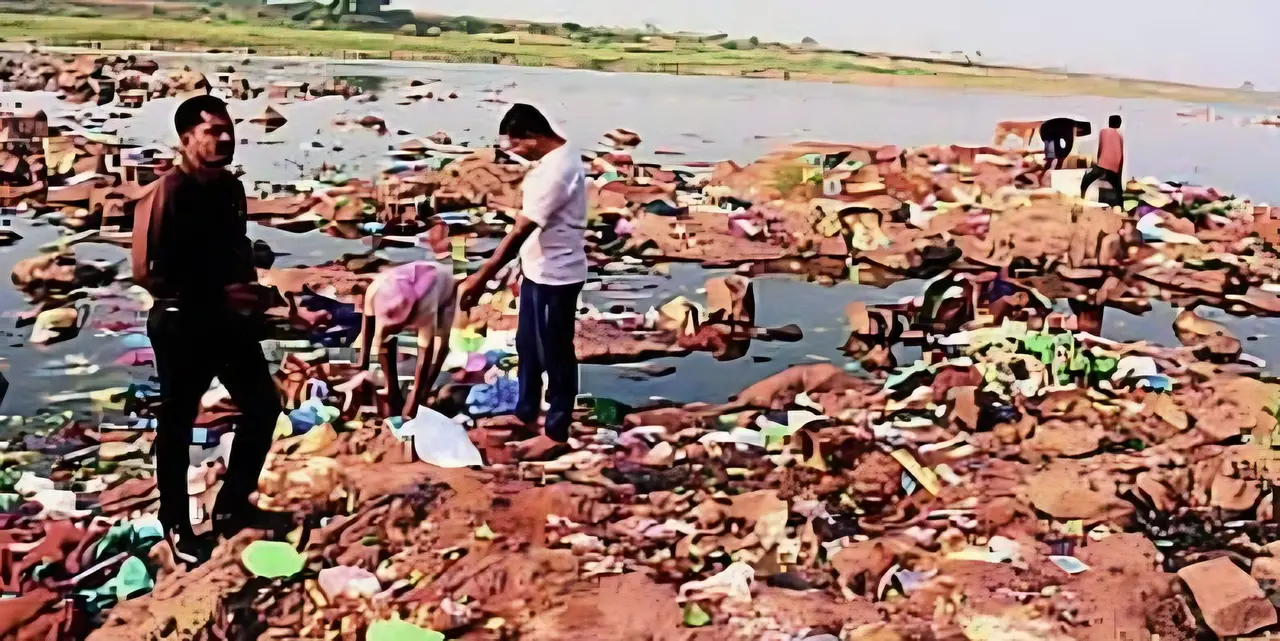
YADGIR: Religious gatherings and ritual bathing have left stretches of the Bhima and Krishna riverbanks littered with clothes, plastic and worship materials, raising concerns over water pollution and public sanitation.
While the Yadgir City Municipal Council has launched a cleaning drive along the Bhima river, demands have also been raised for immediate action to clear waste near the historic Tinthani Mouneshwara shrine.
In Yadgir, thousands of devotees, including members of the Matangi community, reportedly visited the Bhima river following rumours that taking a holy dip would help remove serpent-related doshas associated with Yellamma Devi. After performing rituals, many left clothes, flowers, fruits, coconuts and other pooja materials along the riverbank.
Responding to the situation, municipal sanitation workers collected waste from the river and its banks and transported it in municipal vehicles for disposal.
City Municipal Council Commissioner Umesh Chavan appealed to devotees to maintain cleanliness while observing religious practices. He said the council had no objection to holy dips or prayers but urged people not to throw clothes, plastic, soap, shampoo, flower garlands and food waste into the river. He also said the water would be tested and warned that violations could invite action under environmental laws.
Tinthani shrine
Meanwhile, the Krishna riverbank near the Tinthani Mouneshwara shrine has also reportedly turned into a garbage dumping area following a large gathering of devotees for an Amavasya holy dip.
Local leader Gangadhar Nayak expressed concern over the unhygienic conditions and accused officials of failing to respond despite repeated requests. He demanded immediate cleaning and regular sanitation measures to protect the riverbank and preserve the surroundings of the shrine.
Nayak warned that a protest would be launched if the authorities continued to neglect the issue.
The two incidents have highlighted the need for responsible disposal of religious offerings and regular cleanliness drives to protect river ecosystems and maintain public hygiene.