
Trump orders contractors to report requests from Congress
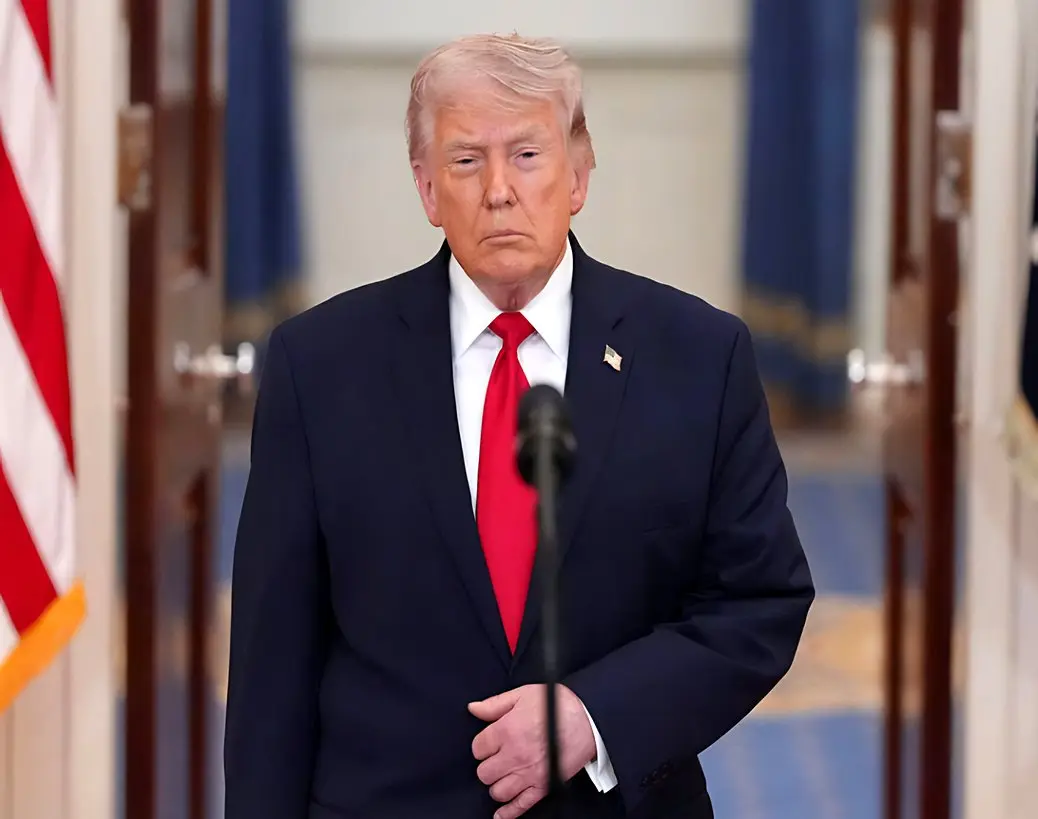
WASHINGTON: US President Donald Trump has signed an executive order directing federal contractors and subcontractors to inform the White House about requests for information from Congress related to their government work.
The order was signed on Nov 20 and aims to protect confidential information and strengthen coordination between government agencies and private companies.
The directive, titled Protecting the Executive’s Privileges and Enhancing Efficiencies in Federal Contracting, requires contractors to notify the White House and relevant government agencies about pending and future congressional requests concerning their work or communications with the executive branch.
Under the order, contractors must also coordinate with the White House and the concerned agencies before responding to such requests. They are required to follow instructions to withhold communications that the administration considers protected by executive privilege.
The rules also apply to subcontractors working on federal contracts. Government agencies have been directed to inform contractors and subcontractors about their responsibilities under the new order.
Sensitive material
The White House said the move was necessary to protect sensitive government communications, including information linked to national security and other important government operations. It argued that sharing such information without proper coordination could expose confidential material and lead to costly legal disputes.
The order also allows contracting agencies to consider action against companies that fail to follow its requirements. Possible measures include ending contracts or suspending companies from future government work.
Power struggle
The decision comes as Democrats prepare to take control of both chambers of Congress in January. They have pledged to investigate several matters involving the Trump administration, including federal contracts, immigration enforcement and the president’s business interests.
The order could lead to disagreements over the balance of power between the White House and Congress. While presidents can claim executive privilege to protect certain confidential communications, lawmakers also have powers to seek information for investigations and oversight.
Legal challenges may arise if contractors are instructed to withhold information sought through congressional subpoenas. Courts could be asked to decide whether the administration’s claims of executive privilege outweigh Congress’s authority to obtain the material.
The order highlights growing tensions over government transparency, presidential powers and Congress’s ability to investigate the executive branch.