Taiwan President to Defend Military Spending Intro: Taiwan President Lai Ching-te will defend higher mili
Taiwan President Lai Ching-te will defend higher military spending, describing stronger defences as essential to preserving democracy, freedom and regional peace.
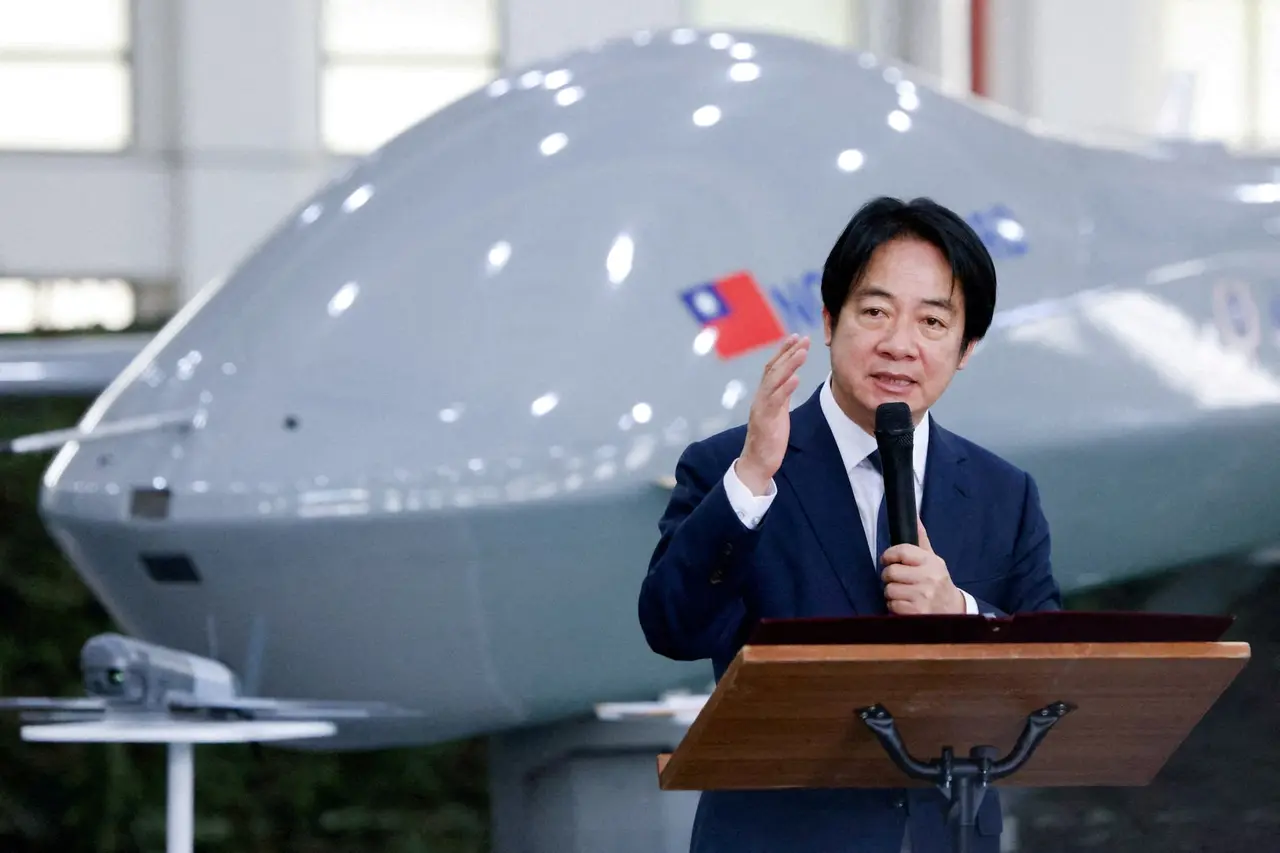
Taipie Taiwan President Lai Ching-te will defend his government's decision to increase military spending and strengthen national security in his national day speech on Saturday, saying the measures reflect the people's desire to preserve peace, freedom and democracy. A senior Taiwanese official briefed on the speech said Lai would emphasise that strengthening the island's defences should not be viewed as a provocation. Instead, the president will describe the investment as a responsible effort to protect Taiwan's democratic way of life and maintain stability across the Taiwan Strait. Taiwan has faced growing military and political pressure from China, which considers the self-governed island part of its territory. Beijing has repeatedly opposed moves that it believes could advance Taiwanese independence, while Taipei rejects China's sovereignty claims. The island is increasing defence expenditure and modernising its armed forces to counter China's substantially larger military. Beijing has expanded its military capabilities, including advanced weapons systems, stealth fighter jets and aircraft carriers. According to the Taiwanese official, Lai will outline efforts to strengthen self-defence, sustain investment in national security and improve resilience across society. He will also address the implications of US-China dialogue, presenting Taiwan's role in international exchanges with confidence and resolve. Lai is expected to portray Taiwan as a guardian of peace and stability in the Taiwan Strait and a democratic partner contributing actively to the international community. The security concerns were underscored by Taiwan's defence ministry, which reported another Chinese “joint combat readiness patrol” near the island. The patrol involved 19 aircraft, including J-16 fighters, alongside an unspecified number of naval vessels. China's defence ministry did not immediately respond to a request for comment.