Protest erupts over Vijayendra’s Lingayat remarks
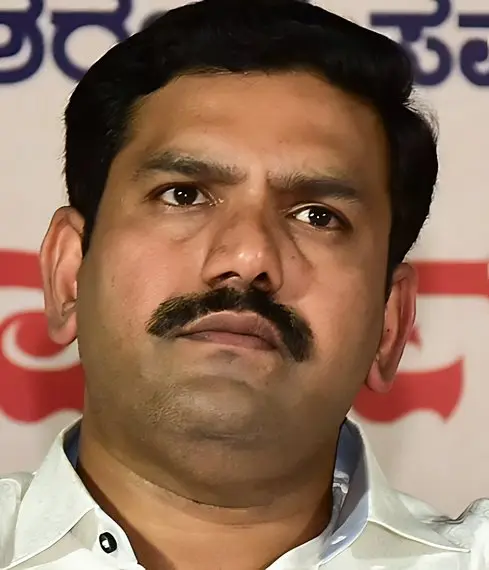
BASAVAKALYAN: Protests have erupted following BJP state president B.Y. Vijayendra’s opposition to the demand for a separate religious identity for the Lingayat community.
His remarks have reignited the debate over the community’s religious status and triggered strong reactions from those supporting separate recognition.
Vijayendra stressed the importance of unity among Lingayats and said the community should not seek a separate religious identity merely to avail itself of government benefits. He maintained that unity was more important than pursuing a separate identity for reasons linked to official recognition or welfare advantages.
The opposition has drawn criticism from sections of the Lingayat community, who view the question of separate religious identity as an issue of recognition and community rights. The protests reflect the continuing differences within the community over whether it should retain its existing religious identification or seek separate recognition.
The demand for separate Lingayat religion has remained a sensitive issue in Karnataka politics. Supporters of separate recognition have argued that the community has a distinct religious and philosophical tradition, with the teachings of social reformer Basavanna forming its foundation. They believe that formal recognition would acknowledge this distinct identity.
Those opposing the demand have emphasised the need to preserve unity among Lingayats and avoid divisions within the broader Hindu community. Vijayendra’s latest remarks are in line with this position, as he has cautioned against seeking a separate identity for the sake of government concessions.
The issue has political significance in Karnataka, where Lingayats constitute an influential community with a considerable presence across several districts. Political parties and community leaders have often faced strong reactions over their positions on the question of religious identity.
The protests following Vijayendra’s comments have once again brought the debate into public discussion. The issue is likely to remain a point of contention among religious leaders, community organisations and political representatives, particularly as different sections continue to hold contrasting views on separate recognition.