Malaprabha canal gets water for drinking needs
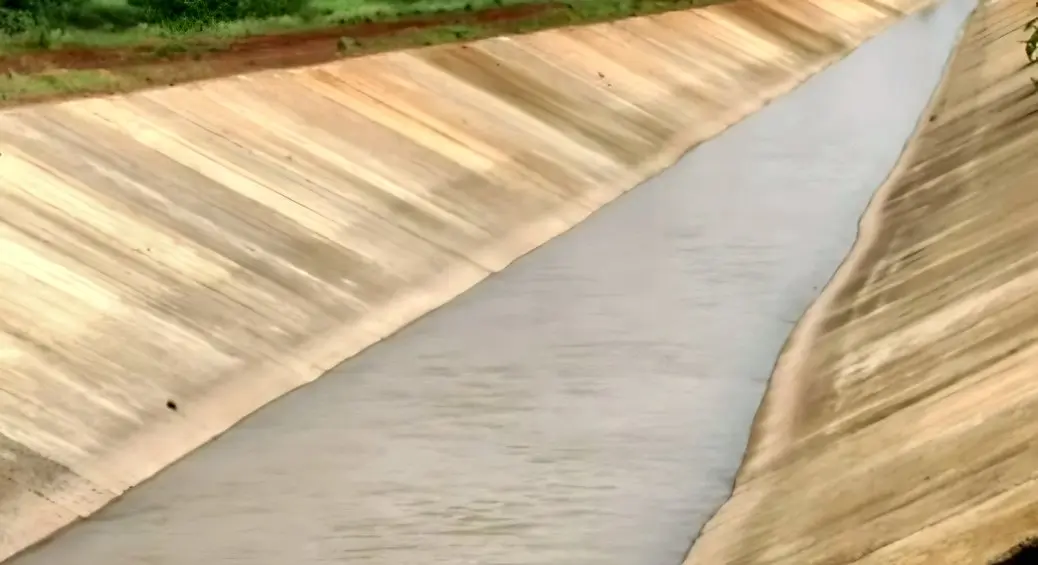
DHARWAD: The Belagavi Regional Commissioner has ordered the release of water into the Malaprabha Right Bank Canal for 10 days to meet the drinking water needs of people and livestock in the command area.
The water is being released from the Renuka Sagar Reservoir, also known as Navilutheertha, located in Savadatti taluk of Belagavi district. The decision aims to fill lakes and ponds in villages covered by the canal and ensure adequate drinking water supplies.
Farmers’ demand leads to water release
The decision comes amid drinking water shortages in the Navalgund region due to drought conditions. Local farmers had urged the authorities to release water into the canal to address the shortage.
Responding to their demand, the authorities have released water at a rate of 500 cusecs.
The release is intended to provide relief to villages facing difficulties in securing drinking water for residents and livestock. Filling local lakes and ponds is expected to improve water availability in the affected areas.
Agricultural use strictly prohibited
The order clearly states that the released water must be used exclusively for drinking purposes. Farmers have been instructed not to divert or use the water for irrigation or other agricultural activities.
The restriction is intended to ensure that the available water reaches the intended beneficiaries and is not diverted for other purposes.
Authorities have prioritised drinking water needs over agricultural requirements in view of the prevailing shortage. People in the canal command area have been urged to cooperate with the instructions and use the released water responsibly.
The 10‑day release is expected to provide temporary relief to people and livestock in the affected villages.