India develops first indigenous H5N1 bird flu vaccine
India has developed its first indigenous H5N1 bird flu vaccine, aiming to protect poultry, support farmers and strengthen disease-control measures nationwide.
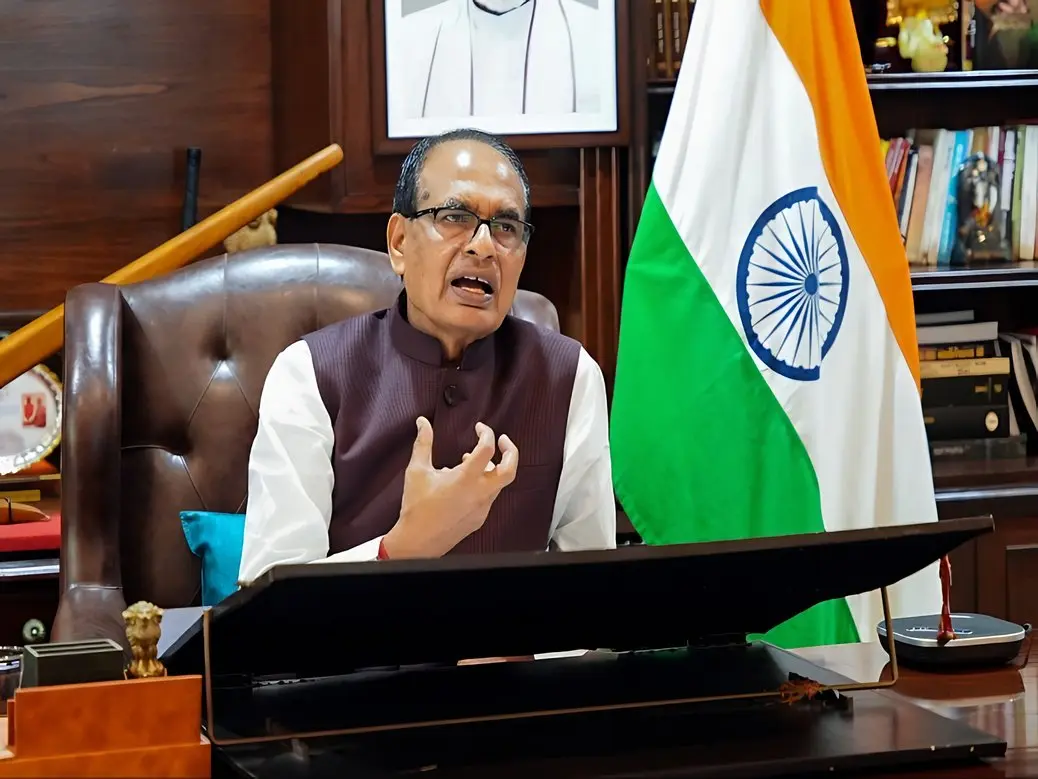
NEW DELHI: Union Agriculture Minister Shivraj Singh Chouhan will dedicate India’s first indigenously developed vaccine against the H5N1 (Clade 2.3.2.1a) bird flu virus to the nation on November 20 at the ICAR-National Institute of High Security Animal Diseases (NIHSAD) in Bhopal. The vaccine has been developed by scientists at the institute to protect poultry against highly pathogenic avian influenza (HPAI).
Commonly known as bird flu, HPAI is a highly contagious disease affecting chickens and other birds. Outbreaks can cause mortality among infected birds, resulting in major economic losses for poultry farmers through mass culling, trade restrictions and disruption of poultry markets.
Since the disease was first detected in India in 2006, the country has recorded more than 500 combined outbreaks of H5N1 and H5N8 subtypes. According to the information released, a major outbreak could put more than 20 per cent of India’s poultry population at risk. The economic consequences could also affect farmers’ livelihoods, poultry prices and the wider economy.
The H5N1 strain, particularly clade 2.3.2.1a, has been responsible for several outbreaks among chickens. Infections have also been reported in other animal species, including mammals. The virus has raised public health concerns following reported human infections.
According to the World Health Organisation, 1,003 human H5N1 infections have been reported across 25 countries since 2003, resulting in 479 deaths.
Until now, no specific commercial vaccine was available to protect against the H5N1 clade 2.3.2.1a strain circulating in India. The newly developed indigenous vaccine is expected to address this gap and strengthen the country’s poultry disease-control measures.