Hydroponics farming draws visitors at GKVK Krishi Mela
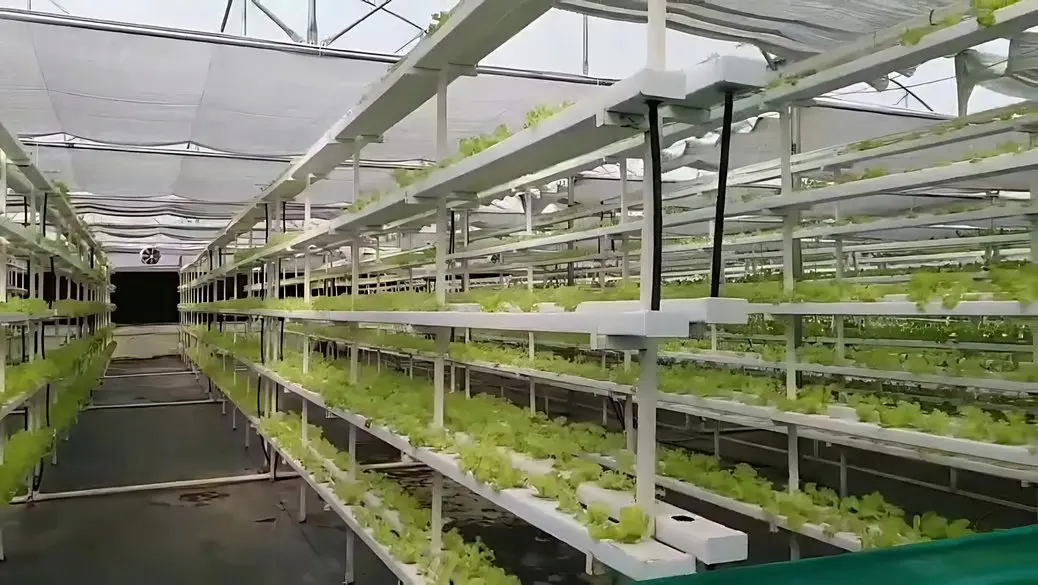
BENGALURU: Modern soilless cultivation techniques have emerged as a primary attraction at the ongoing Krishi Mela 2026 hosted at the Gandhi Krishi Vignana Kendra (GKVK) campus in Bengaluru, drawing enthusiastic crowds of agriculturalists exploring resilient solutions to climate unpredictability and water scarcity.
As Karnataka grapples with severe agricultural deficits and drought conditions across multiple districts, the exhibition of hydroponics technology has provided visiting farmers with a compelling vision of alternative crop production. Organized under the auspices of the University of Agricultural Sciences (UAS), the three-day agricultural exposition is heavily spotlighting sustainable, resource-efficient methodologies designed to maximize output while minimizing environmental footprints.
Hydroponics eliminates traditional soil dependencies entirely, relying instead on precision-engineered nutrient solutions delivered directly to plant roots via specialized pipe networks and controlled irrigation systems. Agricultural experts at the mela demonstrated how leafy greens and high-value vegetables such as lettuce, spinach, coriander, cabbage, and mint can be successfully cultivated using minimal water volume.
By precisely regulating nutrient delivery and hydration levels, the technique optimizes growth rates and enables continuous, year-round harvesting. Furthermore, because plants are raised in controlled environments devoid of native soil pathogens, cultivators experience drastically reduced weed management challenges and lower vulnerability to soil-borne crop diseases.
A major advantage highlighted during the demonstrations is the spatial flexibility of hydroponic systems. The technology allows urban residents and small-scale growers to produce fresh vegetables in restricted spaces, transforming residential rooftops, balconies, and compact backyards into productive micro-farms.
Farming delegates attending the exhibition expressed strong optimism regarding its economic viability. Thimmesha, a progressive farmer from Turuvekere, noted that adopting such technology during acute dry spells or drought conditions offers a reliable pathway toward enhanced profitability with minimal initial capital investment.
As agricultural scientists continue to promote climate-smart innovations throughout the GKVK event, the widespread interest in hydroponics signals a growing paradigm shift toward water-conscious, technology-driven farming practices across the region.