Half of city’s sewage goes untreated; 45 new STPs planned
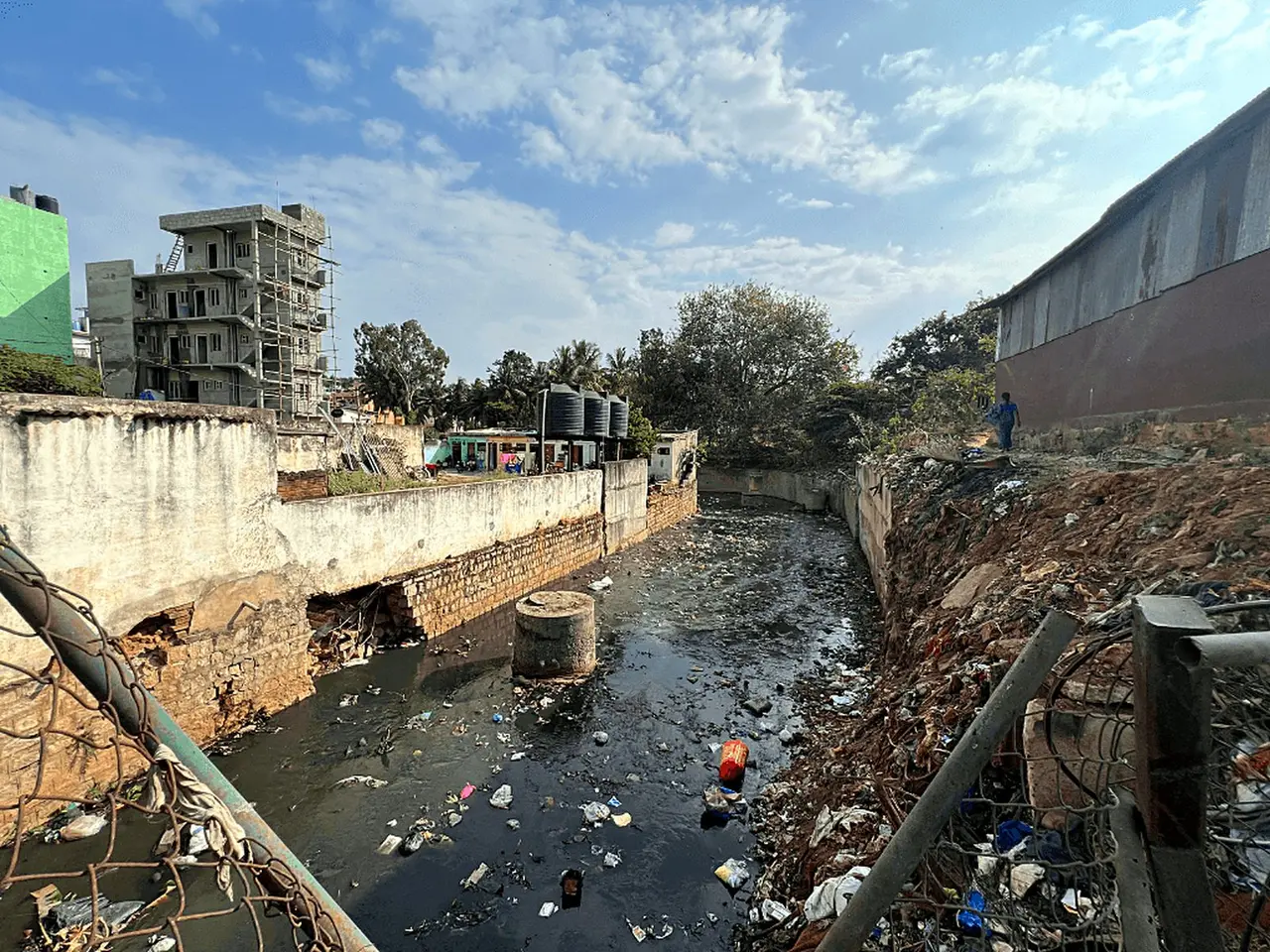
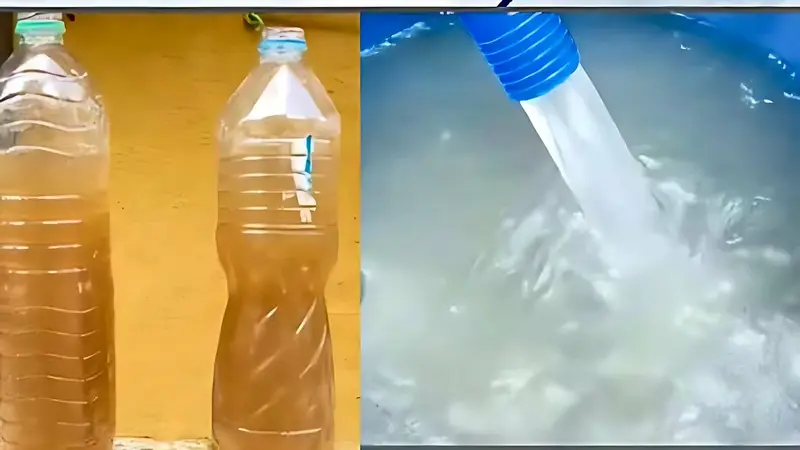
BENGALURU: Nearly half of the wastewater Bengaluru generates every day still goes untreated or poorly processed, leaving city lakes and drains vulnerable for at least three more years, according to the Bangalore Water Supply and Sewerage Board. While the metropolis produces roughly 2,580 million litres per day (MLD) of sewage, BWSSB’s 34 existing treatment plants can handle only 1,348.5 MLD, leaving a daily gap of 1,231.5 MLD.
To close this dirty backlog, BWSSB plans to add 45 new sewage treatment plants with a combined capacity of 1,163 MLD in phases between December 2026 and September 2029. Only 117 MLD of capacity will arrive by the end of 2026, whereas the biggest boost, 335 MLD across four plants, will not come online until the final stretch. Funding relies on global and national partners, including the World Bank (nine plants at Rs 1,000 crore), the Urban Challenge Fund (nine plants at Rs 1,350 crore), and JICA (14 plants at Rs 968 crore). Because treatment quality matters as much as volume, an independent audit and an Indian Institute of Science review are underway alongside live pollution board compliance tracking.
Meanwhile, Bengaluru’s drinking water balance remains fragile. Current demand stands at 2,650 MLD against a 2,720 MLD supply, yielding a slim 70 MLD surplus only because borewells pump roughly 800 MLD alongside 1,920 MLD from the Cauvery River. Without groundwater, the city would face an immediate 730 MLD shortfall.
Looking toward a projected 3,600 MLD regional deficit, BWSSB has outlined a Rs 25,500-crore roadmap through 2037 to unlock up to 4,500 MLD in extra supply and savings. Key pillars include Cauvery Stage VI and Yettinahole projects, a 150-kilometer purple pipeline network for industrial and farm reuse, lake rejuvenation, leak reduction, and 4,000 kilometers of new sewer lines. For citizens watching neighborhood lakes froth and borewells run dry, turning these blueprints into timely action is vital for Bengaluru’s livable future.