Food commission finds lapses at Gadag school
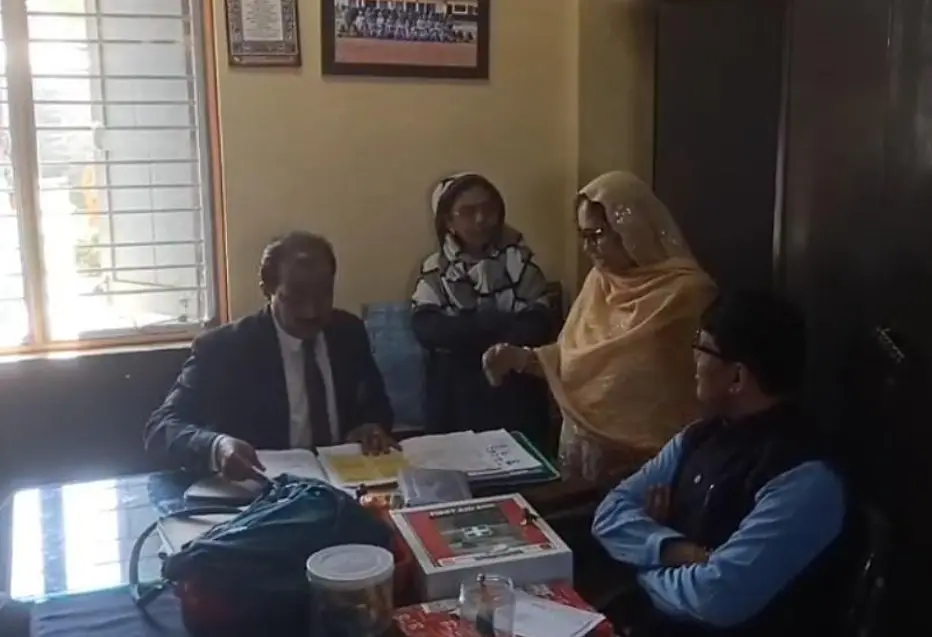
GADAG: Serious irregularities in the management of the midday meal programme have come to light at Government Senior Urdu Primary School No. 7 in Gangimadi, Gadag city, following a surprise inspection by the Karnataka State Food Commission on November 19.
Karnataka State Food Commission Chairman Dr H. Krishna, accompanied by commission members, Gadag Assistant Commissioner Gangappa and officials from various departments, inspected the school to assess the quality of meals, food stocks and purchase records.
During the inspection, officials found several irregularities in bills and receipts related to the purchase of eggs, bananas and vegetables. Some receipts reportedly lacked basic details, including the quantity of items purchased and the names of suppliers. The serial numbers on certain egg purchase bills also raised questions about their authenticity.
The commission chairman expressed concern over payments made through cheques against receipts that did not contain complete information. Officials also found that the school’s cash book had not been properly maintained for around one and a half months. Records related to food purchases and student attendance were also found to be inadequate.
The inspection further revealed poor sanitation and maintenance at the school. Toilets were found in an unhygienic condition, while the drinking water unit installed for students was not functioning properly.
Expressing concern over the findings, Dr H. Krishna questioned the lack of accountability in providing nutritious meals to children. He stressed that negligence in matters affecting students’ health and welfare would not be tolerated.
The commission directed the authorities to issue a notice to the school’s headmistress over the alleged lapses. It also raised concerns about the monitoring responsibilities of education department officials and sought accountability for failures in supervision.
The inspection has highlighted the need for proper financial records, regular monitoring and better facilities to ensure that government welfare benefits reach schoolchildren.