Bosnia heads to polls amid EU integration, geopolitical influence
Millions of Bosnians voted in a high-stakes general election shaping the nation's stalled European Union accession path.

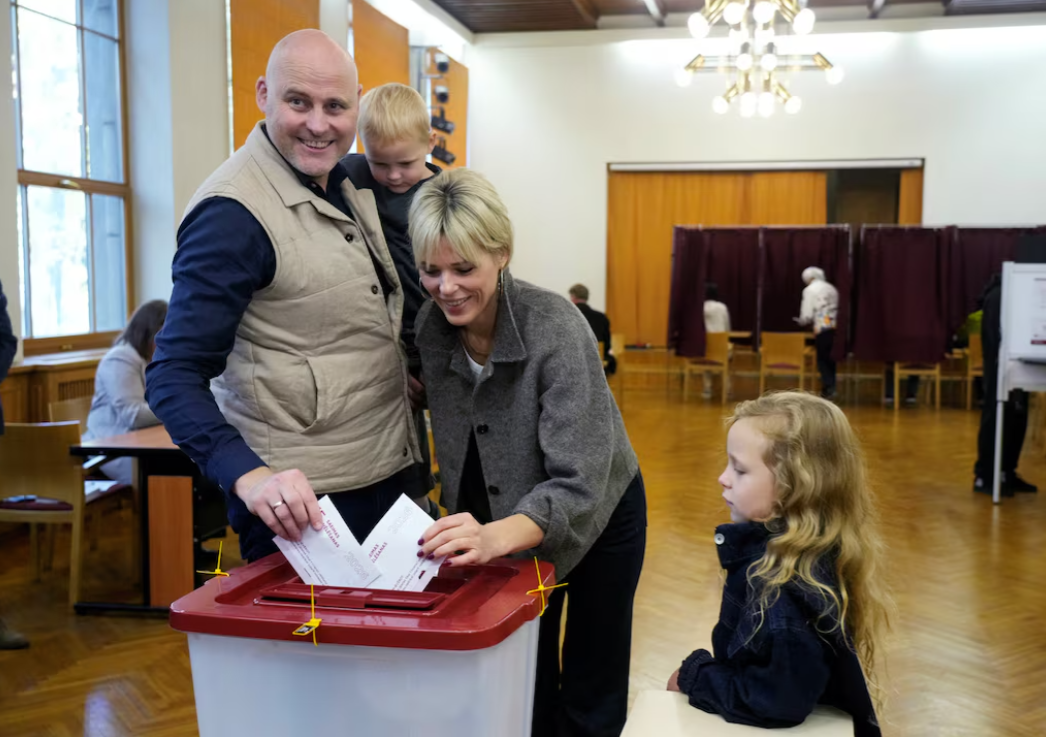
SARAJEVO Millions of Bosnians headed to the polls in a high-stakes general election that could decisively shape the nation’s stalled European Union accession path and tilt the balance of geopolitical influence between the West and Russia. Registered voters—numbering roughly 3.4 million—cast ballots to elect the country's central tripartite presidency and national House of Representatives, alongside regional legislatures across its two primary political entities: the Serb-dominated Republika Srpska and the Bosniak-Croat Federation. For the first time nationwide, authorities implemented advanced electoral technology, including biometric voter verification and electronic ballot scanners, designed to curb fraud and accelerate preliminary results. While Bosnia secured official EU candidate status in December 2022 and a green light to open formal accession negotiations in 2024, actual talks have remained frozen. Domestic political leaders have repeatedly failed to enact core reforms mandated by Brussels, including strengthening judicial oversight and implementing robust anti-corruption legislation. Public fatigue is palpable amid a lingering economic slowdown, stubborn inflation, and persistent political gridlock engineered by ethnically entrenched ruling parties. "More than 30 years after the war, the situation is still the same; we are talking about nationalism... The same faces, the same story, constantly," said Ismar Garasljevic, a high school teacher in Sarajevo. The election features a fierce contest between dominant ethnic nationalist parties—such as the Bosniak SDA and the Serb SNSD—and multi-ethnic opposition coalitions. Tracking data indicates that in Republika Srpska, the Alliance of Independent Social Democrats (SNSD), led by pro-Russian secessionist figure Milorad Dodik, has maintained a strong lead, while nationalist and reformist factions battle tightly across the Federation. If ethnic hardliners retain power and continue their obstructionist politics within the central government, analysts warn that prospects for EU integration will remain stalled indefinitely. The election has also served as a proxy theater for major global powers seeking strategic leverage in the Western Balkans. While the European Union pushes to anchor the region within its economic block, Russia continues to exert influence by actively supporting pro-Moscow leadership within Republika Srpska. Concurrently, Washington has intensified diplomatic and economic maneuvering, pushing for a major $1.5 billion liquefied natural gas (LNG) pipeline project linked to US interests—though European regulators have raised transparency concerns over contractor selections. Tensions have also simmered between Washington and Brussels over regional administrative oversight, particularly following the departure of international High Representative Christian Schmidt earlier this year.