B’luru West lakes struggle with funding hurdles
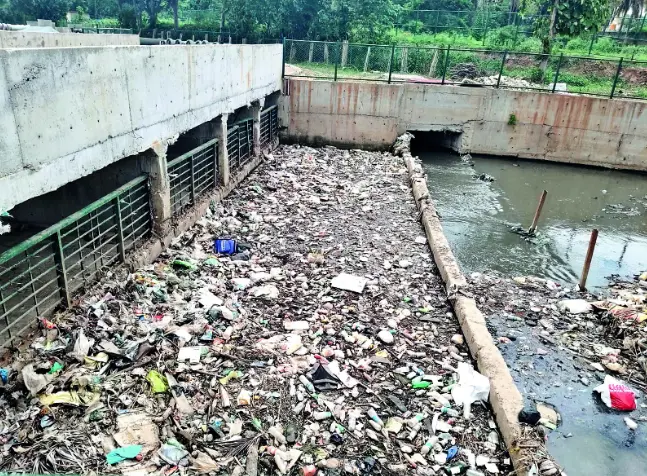
BENGALURU Highlighting the severe ecological pressures facing urban waterbodies, the fourth installment of a special investigative series has brought to light the alarming deterioration of lakes across West Bengaluru. Concentrating on vital ecosystems such as the iconic Sankey Tank, Halagevaderahalli Lake, and Doddabidarakallu Lake, the report reveals a distressing pattern of shrinking water spreads, chronic sewage contamination, blocked rainwater inlets, and persistent funding bottlenecks. Local citizens' collectives and neighborhood lake groups are urgently demanding comprehensive financial audits, strict adherence to court orders, and immediate administrative intervention to protect these natural habitats. At the historic Sankey Tank, members of the Voice of Sadashivanagar Association (VOS) report that the lake's water spread has shrunk by nearly half over the past fifteen years. Residents attribute this massive reduction to poorly planned periphery expansions and the construction of extra jogging tracks during previous phase developments. Furthermore, activists allege that blocked stormwater drains prevent vital rainwater inflows, while municipal garbage trucks continue illegal open-waste segregation near the park despite explicit judicial bans. Similar neglect plagues Halagevaderahalli Lake, where a newly built sewage treatment plant has remained idle for over two years, and Doddabidarakallu Lake, where heavy rains wash massive amounts of trash into local wetlands. With the Bengaluru West City Corporation currently overseeing 38 lakes—many requiring urgent restoration—officials cite critical funding shortages as a major hurdle. While routine weed removal is underway, civic groups emphasize that sustainable preservation requires dedicated state grants, unblocked stormwater channels, and transparent spending audits. Protecting these urban wetlands remains vital for safeguarding local groundwater tables, supporting migratory bird populations, and preserving ecological balance for future generations of the metropolis.