Ananthamurthy Chair must become a centre of intellectual discourse: VC
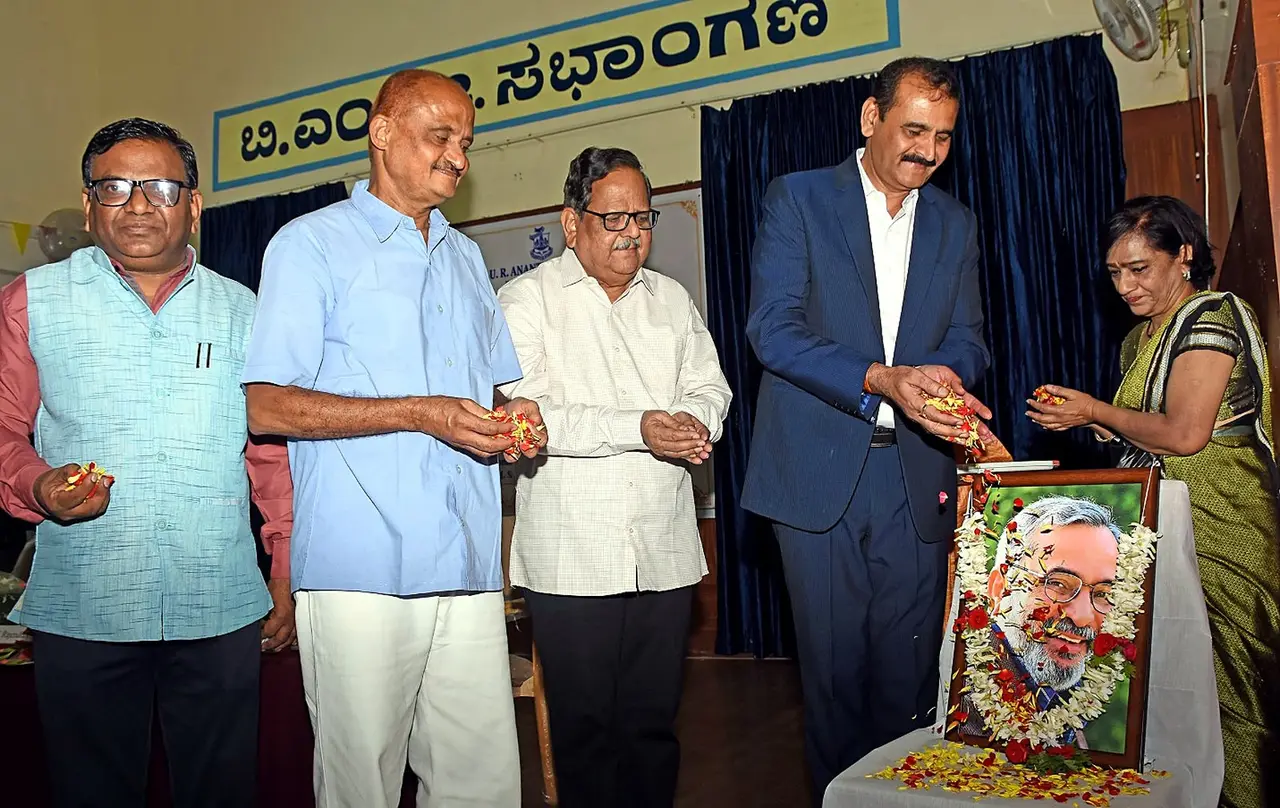
MYSURU: The Dr. U.R. Ananthamurthy Chair established at the University of Mysore should evolve into a vibrant academic centre promoting intellectual debates, literary exchanges, research and interdisciplinary studies rather than remain merely a memorial institution, said University Vice-Chancellor Prof. N.K. Lokanath.
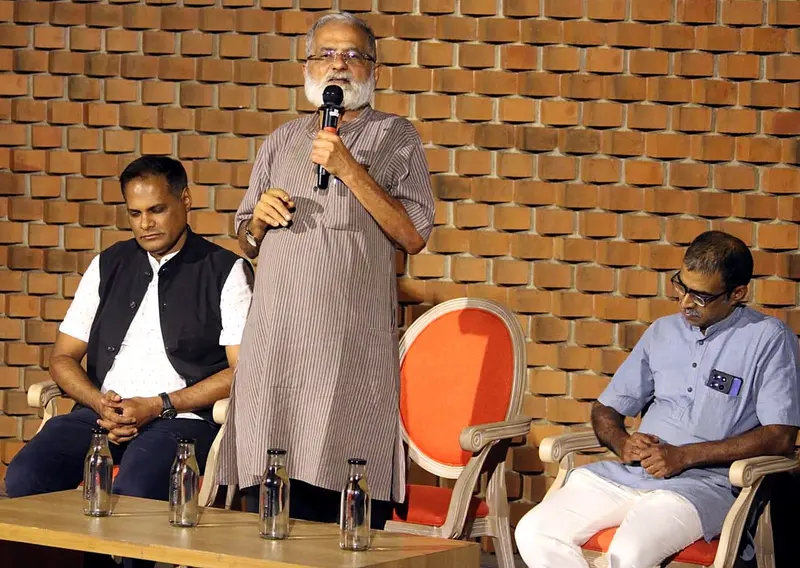
Speaking at the first memorial lecture organised under the Chair at the University of Mysore here on Monday, he said the success of the Chair should be measured by the academic activities and intellectual contributions it generates. Ananthamurthy’s intellectual legacy transcended the boundaries of any single language or discipline. His engagement with literature, philosophy, politics, education and social life offered valuable insights into the complexities of Indian society and culture.
Recalling Ananthamurthy’s association with the University of Mysore, Lokanath said the academic atmosphere of Mysuru, with its engagement with both English and Kannada, played an important role in shaping the writer and thinker. Ananthamurthy brought Kannada literary traditions into conversation with European thought, Indian philosophy and contemporary political ideas. “Literature, for Ananthamurthy, was not merely an aesthetic pursuit but also a means of understanding and questioning the world around us,” he observed.
Highlighting the writer’s engagement with tradition and modernity, the Vice-Chancellor said Ananthamurthy neither accepted Indian traditions uncritically nor viewed modernity as something to be adopted unquestioningly. Instead, he explored the tensions between the two and examined how India could negotiate modernity in the context of its own history, languages and social experiences.
Referring to the theme of the lecture, ‘U.R. Ananthamurthy and the Negotiations with Modernity in Indian Bhasha Literatures’, he said different Indian languages had encountered modernity through their distinct historical, social and cultural experiences.
He appreciated Prof. Rajendra Chenni, a distinguished literary critic, for delivering the inaugural memorial lecture and sharing his perspectives on the subject.
Lokanath also stressed the significance of the Departments of English and Kannada jointly organising the programme, expressing hope that their association would develop into sustained academic collaboration through lectures, seminars, translation projects and joint research.
He thanked the Karnataka Government for accepting the university’s proposal to establish the Chair in Ananthamurthy’s name and sanctioning a corpus fund of Rs. 1 crore to support its activities. The Chair, he said, should encourage students and young researchers to engage with Ananthamurthy’s writings and wider questions concerning language, literature, culture and society. It should also develop academic links with other universities and research institutions.