2 lakh hectares of crops damaged, 2 lakh farmer families hit by drought
CH NEWS, YADGIR
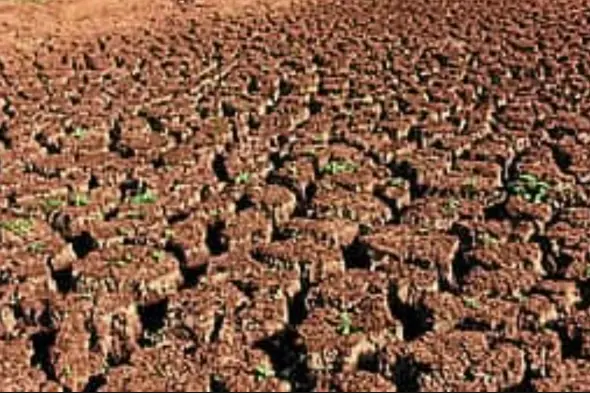
With the southwest monsoon failing almost completely, drought has severely affected agriculture in all six taluks of district. An estimated 2 lakh hectares of crops have been damaged, leaving nearly 2 lakh farmer families facing serious economic distress.
The district had set a target of 4.01 lakh hectares for kharif sowing. Despite inadequate rainfall and a shortage of fertilisers, farmers managed to sow around 3.88 lakh hectares, or 96.59 percent of the targeted area, relying on the limited pre-monsoon and early-season showers. However, prolonged dry conditions and high temperatures caused crops to wither. In several areas, farmers had to plough under failed crops and sow again. , but Cotton, a major commercial crop in the district, has suffered the highest damage, with an estimated 1.55 lakh hectares affected. The loss of cotton, which normally provides farmers with multiple harvests, is expected to have a major impact on the rural economy. Around 39,248 hectares of tur dal, 9,632 hectares of green gram, 635 hectares of pearl millet, 282 hectares of paddy and 242 hectares of sunflower have also been affected. Among horticultural crops, an estimated 189 hectares have been damaged, including 174 hectares of chilli, 13 hectares of tomato and two hectares of onion.
The district administration has estimated that farmers could receive around Rs 224 crore in crop-loss compensation under disaster relief norms, subject to assessment and approval.
The drought has also triggered a serious shortage of drinking water and green fodder for livestock in Wadgera taluk. Farmers are struggling to provide food and water for cattle, buffaloes, sheep and goats as ponds, streams and other water sources have dried up or recorded a sharp decline in water levels.
Traditionally, farmers stored crop residues such as tur stalks, groundnut haulms and paddy straw to feed livestock during dry periods.
Veterinarians have warned that this could adversely affect their health. The combination of rainfall deficit, fodder shortage and rising temperatures has added to the hardship faced by both livestock owners and farmers.
“An assessment report covering crop damage across nearly two lakh hectares had been prepared and that a final report would be ready when another Central drought assessment team visits the district. Ramesh Kolar, Additional Deputy Commissioner”