Trade barriers highlight need for recycling push
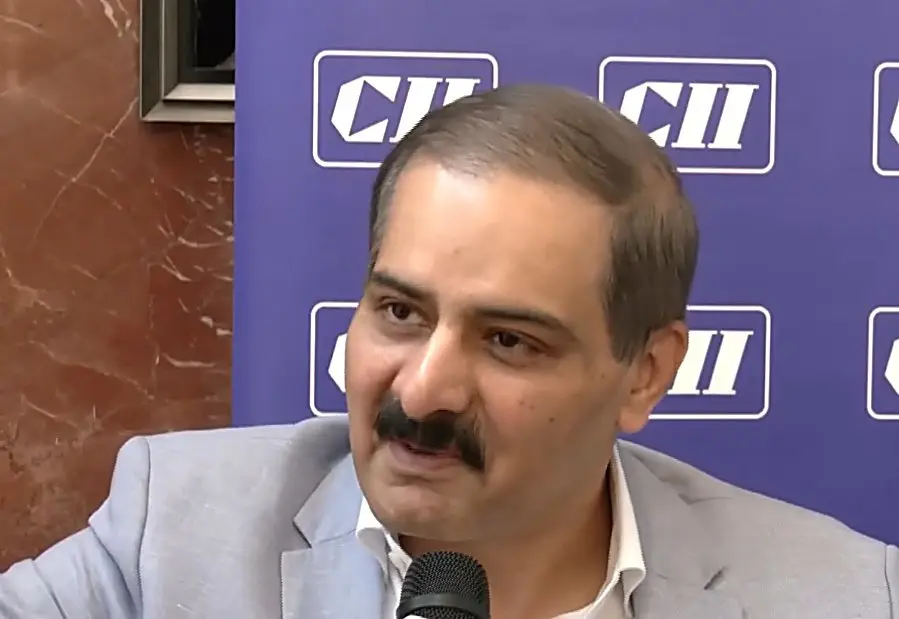
NEW DELHI: Growing tariff and non-tariff barriers across major economies are making international trade increasingly complex, while India needs to accelerate industrial-scale recycling to reduce import dependence and strengthen its circular economy, Masood Mallick, Chairman of the Confederation of Indian Industry (CII) National Committee on Waste to Worth Technologies, said on Thursday.
Speaking about the changing global trade environment, Mallick said recent tariff proposals by the United States were part of a broader trend that could reshape international trade flows. He cautioned that businesses would face greater uncertainty as countries increasingly relied on both tariff-based and non-tariff measures.
“I think the global tariff situation, as well as other non-tariff barriers, will make global trade more complicated,” Mallick said.
He described the evolving US tariff situation as unpredictable, highlighting how frequently trade measures were changing.
“The US tariff situation is quite dynamic. It keeps changing much like the stock market. One day it’s up, one day it’s down. But overall, tariff and non-tariff barriers are going to make global trade more complicated,” he added.
Turning to India’s recycling sector, Mallick emphasised the importance of private-sector participation in building a structured and commercially viable recycling ecosystem.
He said private enterprises could bring entrepreneurial energy, investment and organisational capabilities to formalise recycling activities and expand their scale.
Mallick observed that a significant portion of India’s circularity ecosystem remained fragmented and operated on a small scale. Expanding industrial-scale recycling, he indicated, would be important for improving resource recovery and reducing dependence on imported materials.