Tamil Nadu targets green energy leadership with storage policy
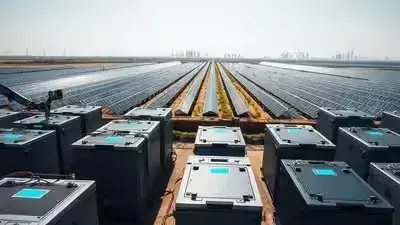
CHENNAI The Tamil Nadu government has approved its Battery Energy Storage Systems Policy, 2026, aiming to strengthen electricity grid stability and accelerate the state's transition towards clean energy. The policy seeks to position Tamil Nadu as India's leading battery storage hub by attracting private investment and modernising its energy infrastructure. The framework sets a target of deploying at least 2.5 gigawatts of battery storage capacity, equivalent to 10 gigawatt-hours, during its operative period. Tamil Nadu Green Energy Corporation Limited will serve as the nodal agency for implementing the initiative. The policy aims to address fluctuations in renewable electricity generation, improve grid operations and reduce power curtailment. The storage systems will absorb surplus electricity during periods of low demand, particularly when solar power generation is high, and release it during peak consumption hours. The framework provides separate pathways for standalone battery storage installations and projects developed alongside existing renewable energy facilities, supporting more reliable electricity supply across the state. Under the policy, new solar and hybrid energy projects exceeding one megawatt and commissioned from April 2027 must integrate battery storage equivalent to at least 10 per cent of their sanctioned capacity. These systems must also provide continuous power discharge for four hours. The requirement is intended to strengthen storage infrastructure as renewable energy generation expands. To encourage investment, the government has announced a complete waiver of applicable transmission and wheeling charges for 10 years for eligible projects commissioned within the policy period. The benefit will apply provided the discharged electricity is used within Tamil Nadu. The policy also introduces safety, environmental and cybersecurity requirements, including the use of domestically developed Energy Management Systems. These measures are intended to protect critical infrastructure and ensure responsible battery lifecycle management.