Rising temperatures put sericulture on hold in Udupi
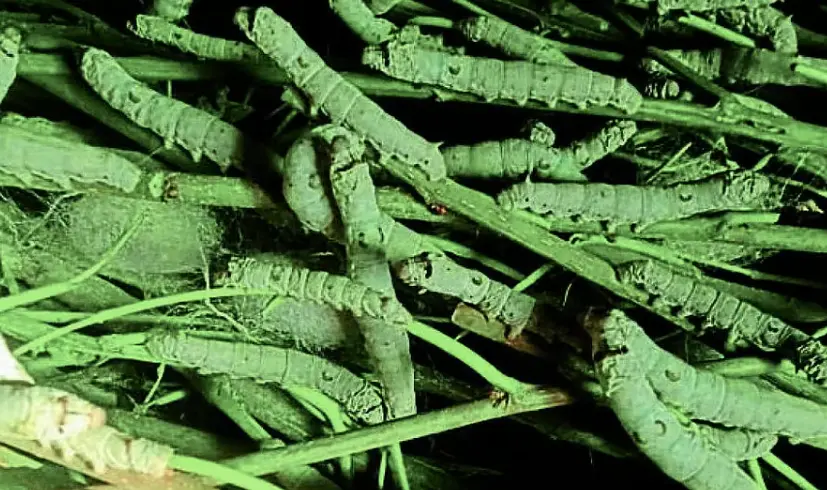
CH NEWS UDUPI Unseasonal heat in October has disrupted the silkworm-rearing cycle in Udupi district, forcing farmers to postpone cultivation despite favourable cocoon prices in the market. Sericulture farmers say temperatures touched 34 degrees Celsius in September, raising concerns about the impact of continued heat on silkworm growth and survival. They generally procure silkworm eggs from Bengaluru and undertake rearing three to four times a year. However, many have skipped their usual October cycle, hoping temperatures will fall with the onset of cooler weather in November. Farmers say the weather conditions now resemble the hot spell usually experienced after March, when they typically suspend cultivation. The persistence of high temperatures in October has added uncertainty to their plans, leaving growers to wait for more favourable conditions before restarting operations. Extreme heat and low atmospheric moisture can adversely affect silkworms, increasing the risk of disease and mortality. Sridhar Poojary, a sericulture farmer from Karkala, said silkworms become vulnerable to disease when temperatures rise. He said the condition locally referred to as “milk thistle disease” causes affected silkworms to fall from bamboo rearing trays and die. Once the disease sets in, controlling it becomes difficult, he added. Farmers are therefore reluctant to begin a new rearing cycle until temperatures decline and humidity conditions improve. The absence of a cocoon procurement centre in the district is another challenge for local growers. The purchase centre that operated in Karkala has remained closed for several years, leaving farmers with limited local marketing options. According to sources in the sericulture department, around 30 sericulture farmers remain in the district. Growers say market-related difficulties and transportation expenses have discouraged many from continuing with the activity. As cocoons must be transported to Hassan for sale, farmers incur additional costs, reducing the convenience of pursuing sericulture on a small scale. Most growers in Udupi treat it as a supplementary occupation rather than their main source of income. Despite the current difficulties, farmers say cocoon prices have remained encouraging since the beginning of the year. However, favourable market rates alone have not been enough to offset the risks posed by the weather and the lack of local procurement facilities. They hope cooler conditions in November will allow them to resume cultivation and make use of the prevailing market demand. Silkworm cocoons are currently fetching between ₹800 and ₹1,000 per kg, according to farmer Sridhar Poojary. Despite the favourable prices, growers have postponed October cultivation because of high temperatures. Farmers are adopting a wait-and-watch approach until cooler weather arrives. The absence of a cocoon purchase centre in Udupi district also forces them to transport their produce to Hassan, adding to their costs and logistical burden.