Rain deficit threatens post monsoon sowing
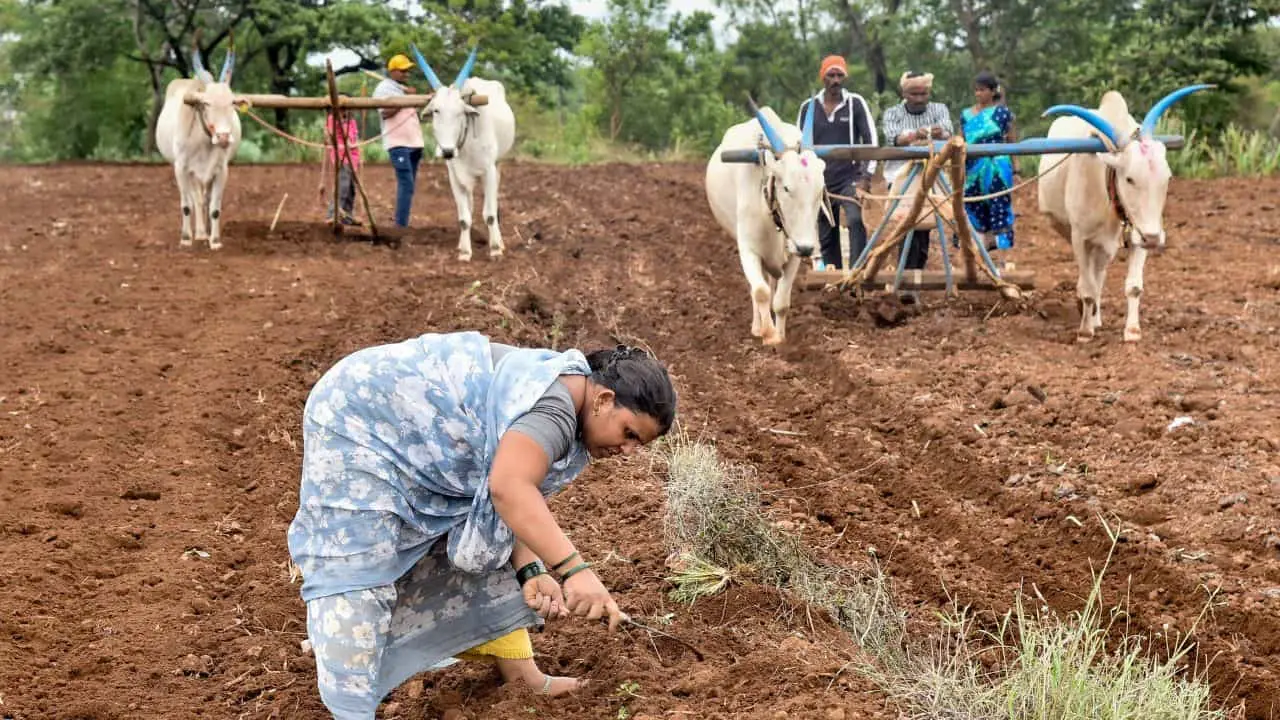
BELAGAVI Farmers across the Belagavi district are facing intense anxiety and uncertainty as a severe dry spell delays crucial Hingaru (post-monsoon) sowing operations. With soil moisture dangerously low, agricultural fields remain uncultivated, leaving growers scrambling to decide which crops to plant for the upcoming season. Data from the Agriculture Department highlights the alarming scale of the dry weather. Between October 1 and October 12, the district recorded a meager 4.8 mm of rainfall, falling drastically short of the normal expectation of 58.2 mm. This staggering 92 percent rain deficit has disrupted seasonal schedules. Although authorities have set an ambitious cultivation target of 4.1 lakh hectares for Hingaru crops—including major staples like sorghum, Bengal gram, wheat, maize, and sunflower—the prolonged dry conditions have thrown these plans into jeopardy. Local farmers are already feeling the financial pinch. Vinod Patil, a grower from Chikkabagewadi village, explained that cultivators have already invested heavily in preparing their lands and acquiring seeds. He warned that further delays will only inflate costs and deepen confusion over crop selection. Similarly, farmer leader Prakash Nayak noted that timely rain within the next week remains essential for successful sorghum cultivation; otherwise, growers will be forced to abandon traditional choices and pivot toward alternative varieties. Agricultural officials have reassured the public that adequate stocks of seeds and fertilizers are readily available across the district. However, they stressed that receiving sufficient rainfall before October 20 is vital, particularly for sorghum. Missing this narrow window risks shrinking total sown acreage and causing significant yield losses. Experts advise cultivators to carefully evaluate local soil traits, existing moisture levels, and calendar constraints before deciding on late-season alternatives. As skies remain clear, farming communities continue to cast anxious eyes toward the horizon, praying for a timely downpour to save their livelihoods.