Punjab records 4,459 stubble burning cases, imposes fines
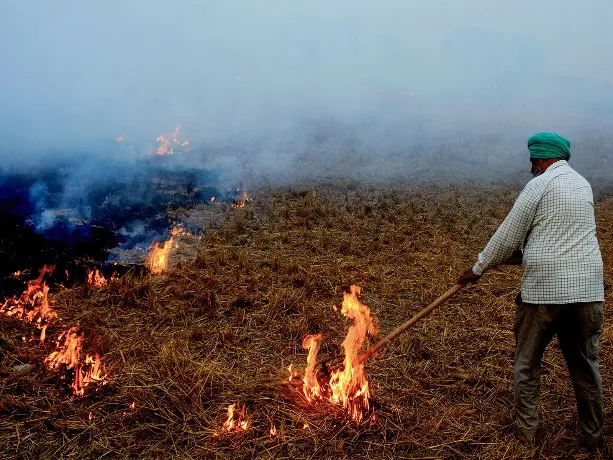
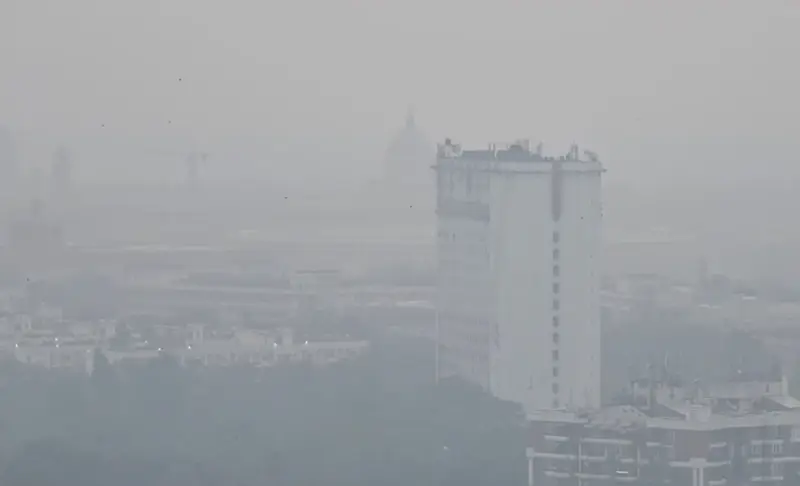
PATIALA Punjab has recorded 4,459 incidents of stubble burning as of November 8, according to data released by the Commission for Air Quality Management (CAQM), amid growing concerns over worsening air pollution in northern India. Authorities have conducted physical inspections at 2,998 locations, confirming evidence of crop residue burning at 1,310 sites. Environmental compensation has been imposed in 1,228 cases, with fines totalling ₹62.55 lakh. Of this amount, ₹32.60 lakh has been recovered so far. The authorities have also registered 884 First Information Reports under Section 223 of the Bharatiya Nyaya Sanhita. Red entries have been recorded in the land records of 1,017 farms, while prosecution proceedings have been initiated against 18 nodal officers under Section 14 of the CAQM Act. These measures form part of efforts to prevent farmers from burning agricultural residue after harvesting. Tarn Taran district reported the highest number of incidents at 654, followed by Ferozepur with 592, Sangrur with 488, Bathinda with 406 and Patiala with 288. Inspections confirmed stubble burning at 306 locations in Tarn Taran and 247 in Ferozepur. Meanwhile, harvesting has been completed across 91.40 per cent of Punjab's total paddy cultivation area, covering 32.87 lakh hectares. The developments come as Delhi continues to experience severe air pollution. The Central Pollution Control Board reported that the city's Air Quality Index approached the severe category on Monday morning, touching the 400 marks. Several monitoring stations recorded readings above 400, with Burari Crossing registering 441, followed by Vivek Vihar at 437 and Delhi Technological University at 434. Meanwhile, Aam Aadmi Party's Delhi president Saurabh Bhardwaj accused the government of manipulating pollution data. He alleged that monitoring stations had been shut down and new stations installed in greener locations to influence readings. He also claimed that water was being sprinkled near monitoring equipment in polluted areas. These allegations have intensified the debate over the accuracy of Delhi's air quality measurements.