KKRTC bus fares hiked by up to 23%
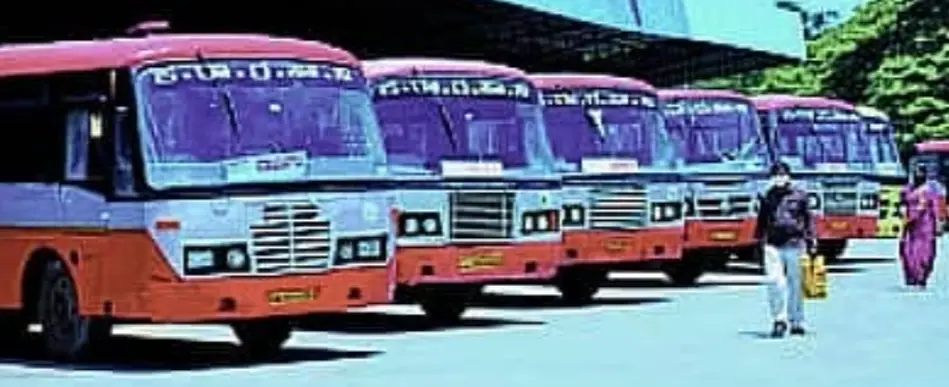
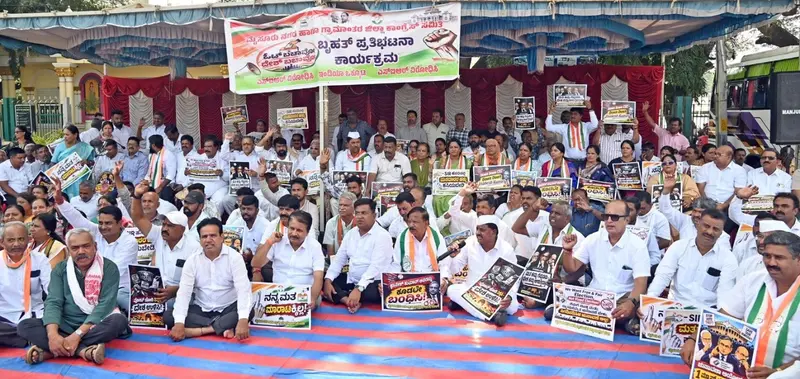
CH NEWS, Kalaburagi Passengers travelling on buses operated by the Kalyana Karnataka Road Transport Corporation (KKRTC) will have to pay higher fares following a revision of ticket prices by up to 23 per cent. The increase is expected to hit short-distance commuters harder, while the additional burden on long-distance passengers will be comparatively lower. Under the revised fare structure, the express bus fare for the first stage of 6.5 km has increased from ₹12 to ₹15. The second stage (13 km) fare has risen from ₹20 to ₹25, while the third stage (19.5 km) fare has gone up from ₹33 to ₹41. For longer journeys, the increase is comparatively gradual. The fare for the maximum distance of 780 km has been revised from ₹890 to ₹1,095. Fares on city and suburban services have also been increased. The first-stage fare for a two-kilometre journey has risen from ₹6 to ₹10. The second stage (4 km) now costs ₹15 instead of ₹12, while the third stage (6 km) fare has increased from ₹16 to ₹20. For a maximum journey of 40 km, passengers will now pay ₹30 instead of ₹24, according to sources. The latest revision has triggered resentment among ordinary commuters, particularly as it comes soon after the recent increase in milk prices. Passengers have expressed concern over the growing cost of essential services and daily travel. Opposition parties have also criticised the State Government, accusing it of placing an additional financial burden on the public. Criticising the Congress government, opposition leaders alleged that people were being made to bear the cost of the five guarantee schemes through successive price increases. The fare revision has renewed the debate over public transport affordability, particularly for daily wage workers, students and other short-distance commuters.