Drinking water crisis hits 54 villages in Kalaburagi
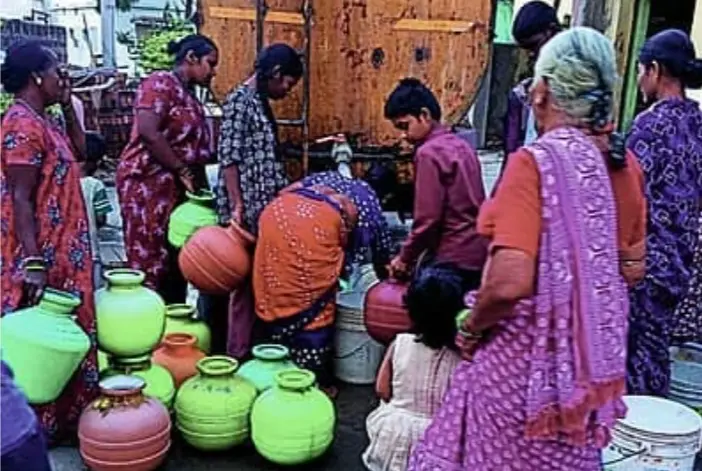
CH NEWS, Kalaburagi The impact of the Super El Nino phenomenon, coupled with a severe rainfall deficit, has triggered a drinking water crisis in Kalaburagi district, with 54 villages already facing shortages. The situation is expected to worsen, with 168 habitations likely to experience severe water scarcity by May 2027. Despite the presence of major rivers, including the Bhima, Kagina, Krishna, Amarja and Karanja, the district is struggling to meet drinking water requirements. Kalaburagi recorded a 51 per cent rainfall deficit during the monsoon and 96 per cent during the post-monsoon season. Of the 1,235 habitations spread across 261 Gram Panchayats in 11 taluks, 54 villages under 44 Gram Panchayats in eight taluks are currently affected. The administration is supplying water through three tankers, making nine trips daily, while 74 hired private borewells are catering to the needs of 51 villages. The situation in Kalaburagi city is also becoming critical. Kerebhosga has dried up, while water levels in the Bennethora backwaters at Kurikota are declining. Of the 1,530 borewells maintained by the City Corporation, around 75 have already dried up. With groundwater levels falling, residents are increasingly depending on tanker supplies. Around 50 tanker trips are being made daily. District Drinking Water Technical Nodal Officer Jagadeva Jivangi said 168 habitations could face severe shortages by May 2027. The government has sanctioned ₹13 crore to address the crisis. Action plans worth ₹8 crore have been prepared, with works worth ₹3.50 crore completed or expenditure incurred so far. Meanwhile, KUWASDB Superintending Engineer R.P. Jadhav appealed to residents to use municipal water judiciously and avoid wastage. With water sources drying up much earlier than usual, the administration faces a challenging task in ensuring adequate drinking water during the approaching summer.