Karnataka plans bilingual shift for government schools
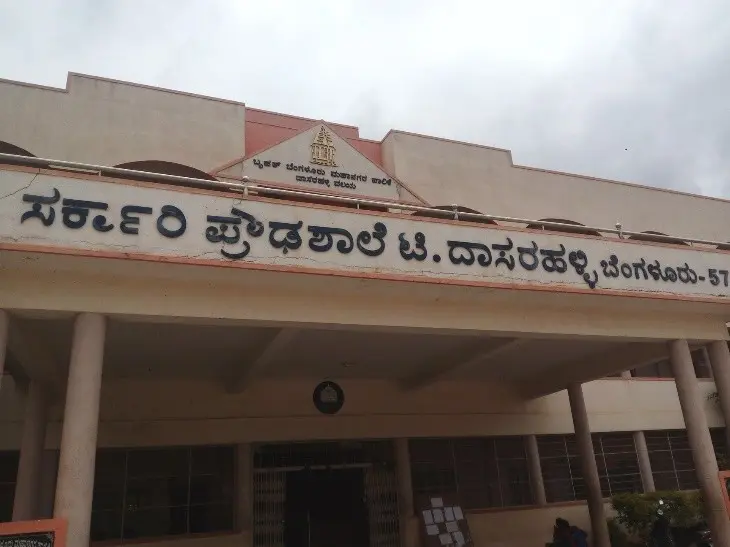
CH NEWS, BENGALURU Modern education landscapes across India are shifting rapidly, driven by parental desires to equip children with competitive global skills. For decades, public sector educational institutions have faced declining enrollments as families increasingly gravitate toward private English-medium options. To bridge this divide and restore faith in public education, state authorities have launched a massive structural transformation aimed at reshaping the future of classroom instruction across the region. The Government of Karnataka has announced a comprehensive plan to transition all government-run schools into bilingual institutions by introducing English-medium streams in a phased manner. School Education Minister Madhu Bangarappa officially shared the initiative, emphasizing that parents should have the absolute freedom to choose the preferred medium of instruction for their children. According to recent UDISE+ data, the state houses 48,527 government schools, all of which are slated for this progressive upgrade. This policy builds upon groundwork laid in previous academic cycles. Initial bilingual sections began rolling out years ago under past administrations, gradually expanding to thousands of campuses. In urban educational districts like Bengaluru North and Bengaluru South, over a thousand schools have already received clearance to offer bilingual classes starting from the first grade. High public demand was evident when thousands of schools across thirty-three districts applied to adopt the framework. While parents and communities have welcomed the move, education experts advise a cautious and strategic approach. Critics note that successful implementation requires robust, long-term professional development rather than brief orientation workshops for rural educators. Equipping teachers with effective communication and pedagogical tools is vital to ensuring that students truly benefit from the bilingual shift. As the state moves forward, this ambitious reform aims to revitalize public schooling and create equal opportunities for every child.