EU summit: Leaders seek solutions to spiraling prices
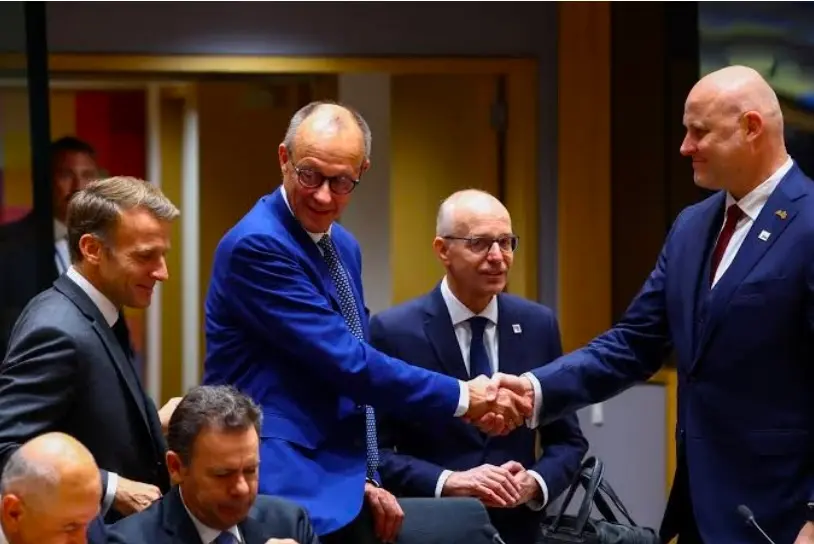
BRUSSELS The European Union began a packed summit on Thursday that quickly underscored wrangles over how to tame soaring energy prices, design a budget to keep the bloc competitive and curb surging exports from China that are blamed for job losses. The leaders from the EU's 27 members met in Brussels on the back of securing an agreement with Beijing to limit imports of hybrid cars from China, a first step towards cutting a goods trade deficit that hit €360 billion ($400 billion) in 2025. The summit takes place at a time of heightened economic anxiety, with fuel price spikes since the Iran war putting cash-strapped governments on the back foot, companies struggling and Europe wanting to shore up its defences and support Ukraine. The clock is also ticking on a series of elections in Europe over the coming months including in France in April, which could propel French far-right leader Marine Le Pen to the presidency vowing to slash her country's contribution to the EU budget. Slumping in the polls at home, German Chancellor Friedrich Merz told reporters that positions were still far apart on the budget, which has pitted net contributors such as Germany against net beneficiaries. The latest proposal would safeguard subsidies for farmers and regions, which critics say sucks money away from more urgent areas to keep up with the US and China. "We are, therefore, facing very, very difficult negotiations," Merz said. Merz also gave a pointed rebuff to a proposal by the United States, reported in the Financial Times, for European countries to unfreeze some Russian sovereign assets immobilised after the invasion of Ukraine.