Committee discusses uniform model rules for Legislative Assemblies
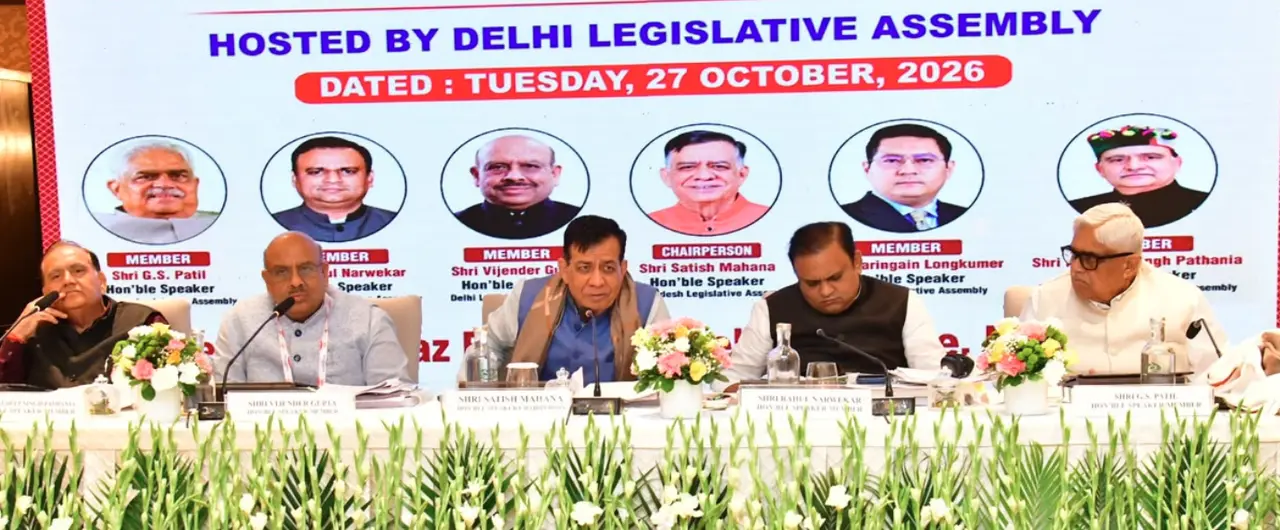
CH NEWS, Gadag A six-member committee of Legislative Assembly Speakers, constituted by the Lok Sabha Speaker, met in New Delhi to discuss framing uniform model rules and procedures for legislative assemblies across the country. Karnataka Legislative Assembly Speaker G.S. Patil participated in the meeting, representing the state. The meeting was chaired by Uttar Pradesh Assembly Speaker Satish Mahana. Other participants included Maharashtra Assembly Speaker Rahul Narwekar, Delhi Assembly Speaker Vijender Gupta and Himachal Pradesh Assembly Speaker Kuldeep Singh Pathania. Currently, state legislatures follow different procedural rules, resulting in variations in Question Hour, Zero Hour, calling-attention motions, privilege proceedings and committee functioning. The committee discussed developing comprehensive model rules to guide legislative proceedings nationwide. Key issues included ensuring transparent, disciplined and efficient House proceedings, improving Question Hour and Zero Hour, maintaining the dignity of the House, strengthening legislative committees and expanding the use of digital technology for paperless proceedings. Speaking at the meeting, G.S. Patil highlighted Karnataka's rich parliamentary heritage and emphasised that uniform model rules should accommodate the distinctive traditions and established practices of individual states. He outlined Karnataka's efforts to introduce the paperless e-Vidhan system and observed that the state's Question Hour procedures could serve as a model for other legislatures. He suggested that adopting effective practices across states would improve legislative efficiency, strengthen accountability among elected representatives and reinforce parliamentary democracy. The committee agreed to consolidate the suggestions received from its members and prepare a draft of the proposed model rules during subsequent meetings. Once finalised, the draft will be submitted to the Speaker of the Lok Sabha for further consideration. The initiative seeks to promote greater consistency in legislative procedures while preserving state-specific parliamentary traditions and improving the overall functioning of democratic institutions.