Cabinet clears energy, minerals and statistics reforms
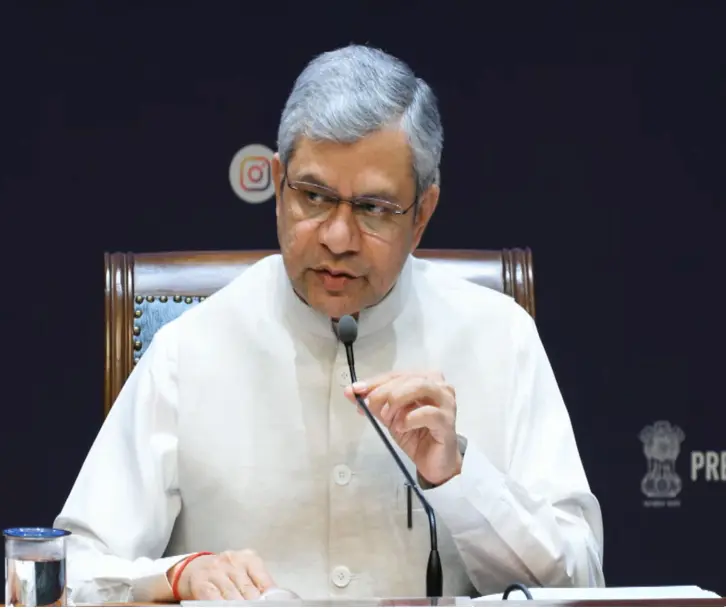
New Delhi The Union Cabinet approved a 92 gigawatt-hour (GWh) grid-scale energy storage scheme, alongside plans for critical minerals and a national statistical system overhaul. Union Minister Ashwini Vaishnaw announced the decisions at a Cabinet briefing. The storage plan includes 30 GWh of battery storage, 60 GWh of pumped storage and 2 GWh for emerging technologies. Pumped storage uses electricity, including solar power, to move water uphill. Water is later released to generate electricity. The scheme is expected to support renewable power and improve use of transmission lines. Vaishnaw said transmission capacity often remains underused when solar power is unavailable at night. Storage can use that capacity more fully and reduce additional investment in transmission infrastructure. He said non-fossil sources account for nearly 52 per cent of India’s power generation. The Cabinet cleared a scheme to process 24 identified critical minerals. It covers materials obtained through mining and recycling. The aim is to prepare minerals for manufacturing sectors such as semiconductors, batteries, electronics, defence equipment and heavy machinery. The government approved Rs 4,371 crore to overhaul the national statistical system. The plan seeks to improve surveys, data checks and collection methods, while reducing bias. It will support university certification courses and regular assessments. Vaishnaw said the changes would focus on checking data against ground realities, improving collection frequency and strengthening official statistics. The decisions cover energy infrastructure, industrial supply chains and national data systems. They aim to support cleaner power, improve access to raw materials and strengthen statistical work nationwide and planning. Key cabinet decisions • 92 GWh energy storage scheme: 30 GWh battery, 60 GWh pumped storage and 2 GWh emerging technologies. • Processing of 24 critical minerals, including materials from mining and recycling. • Rs 4,371 crore for statistical reforms, including better surveys, data checks and collection methods.