BAMUL leads K’taka milk unions in profitability
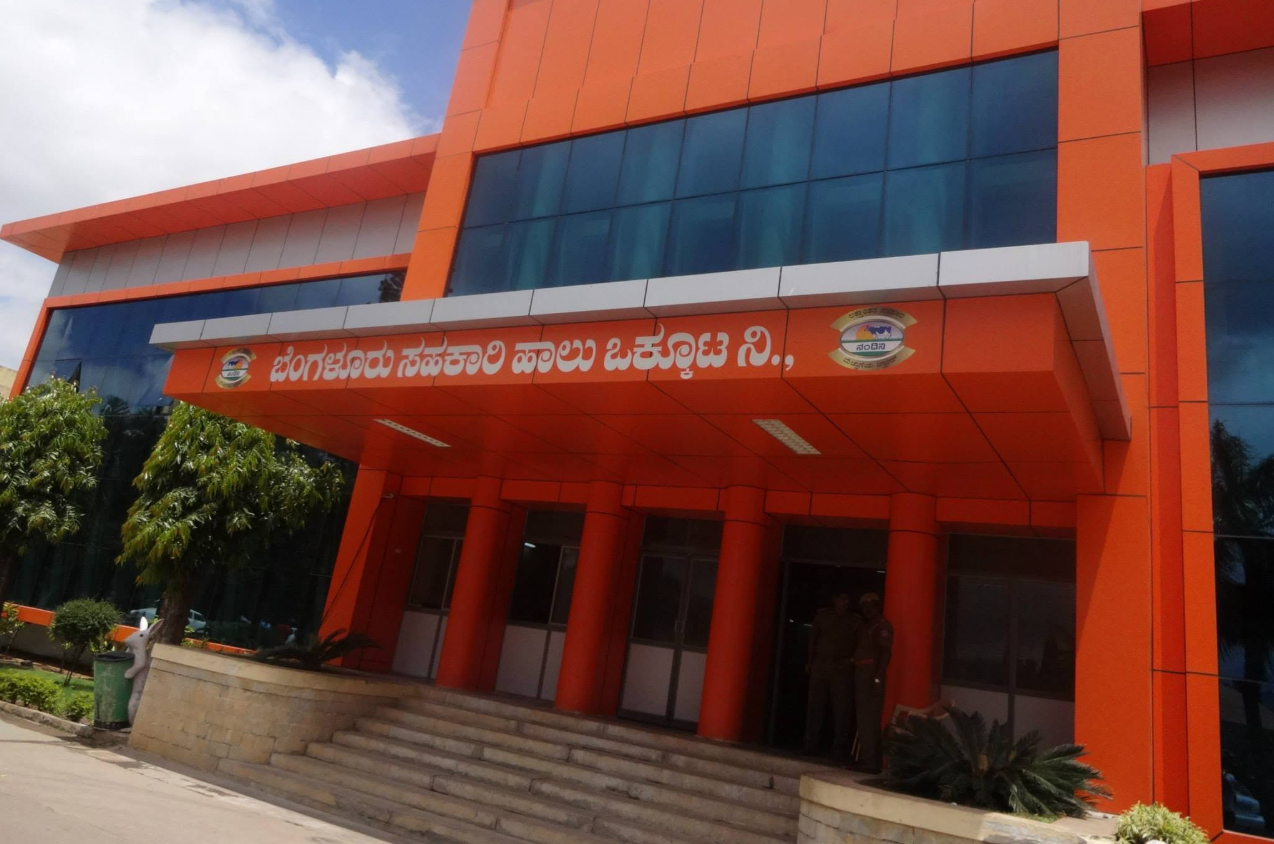
CH NEWS, BENGALURU Amid mounting pressure from agricultural cooperatives to authorize an upward revision for popular Nandini milk products, newly released financial disclosures paint a sharply polarized picture of the state's dairy sector. According to official reports covering the April-to-July fiscal window, 11 of Karnataka’s 16 regional milk unions have posted robust profits totaling ₹39.95 crore, while five unions are grappling with severe financial deficits. The Bengaluru Milk Union Limited (BAMUL) emerged as the most financially lucrative cooperative in the state, securing the top rank with a net profit of ₹15.73 crore. BAMUL was closely followed by the Hassan Milk Union, which registered a profit of ₹11.72 crore, and the Mandya Milk Union (MANMUL) with ₹10.69 crore. While major urban and agrarian hubs thrived, other regional cooperatives faced steep economic headwinds. The Chikkaballapur Milk Union recorded the state's highest deficit, suffering a heavy loss of ₹11.88 crore. It was joined in the red by the Kolar Milk Union (KOMUL) with a loss of ₹5.48 crore, alongside the Vijayapura-Bagalkote, Raichur-Ballari-Koppal, and Kalaburagi unions. Union leaders attribute the widening financial disparities to escalating operational overheads. Surging expenses related to cattle fodder, veterinary pharmaceuticals, transportation fuel, and heavy milk processing overheads have strained balance sheets across the board, fueling urgent demands for state intervention. Cooperative officials and dairy farmers are intensifying their lobbying efforts for a state-mandated price hike for Nandini milk, arguing that current market rates lag significantly behind neighboring states. Industry representatives warn that maintaining artificially depressed retail prices risks triggering a supply drain, where local milk producers divert their yield across state borders to secure higher profit margins. Hassan Milk Union President H.D. Revanna has publicly advocated that any approved price hike must distribute revenue streams strategically, allocating a designated share directly to struggling unions to absorb operational deficits rather than channeling the entire financial benefit exclusively to farmers. The state government remains under intense scrutiny as it weighs these competing pressures. Cabinet ministers have indicated that a comprehensive decision regarding the price hike will be finalized only after a comparative market analysis of neighboring states' dairy tariffs is formally presented and debated in the upcoming cabinet session.