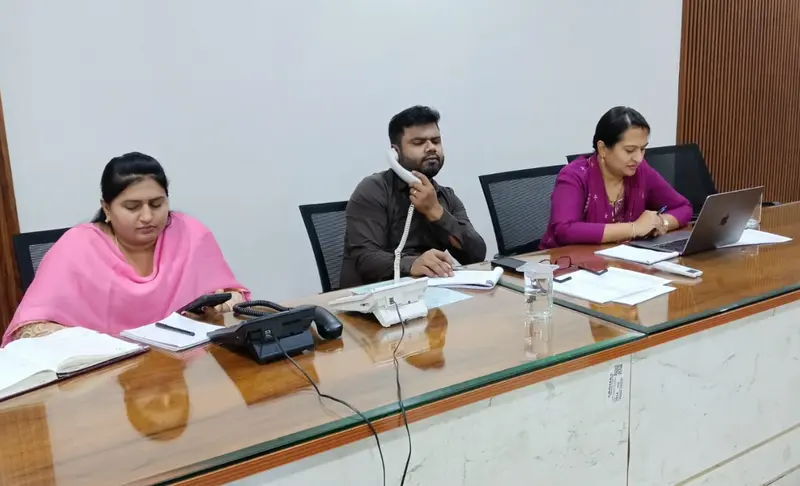
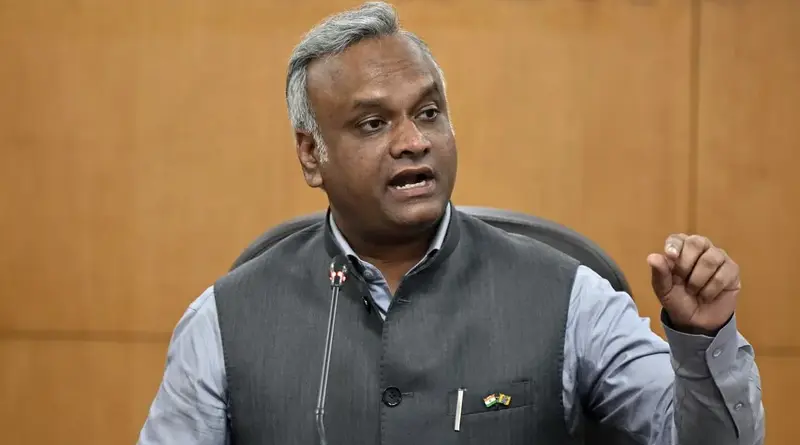
State begins assessment of Arkavathi basin
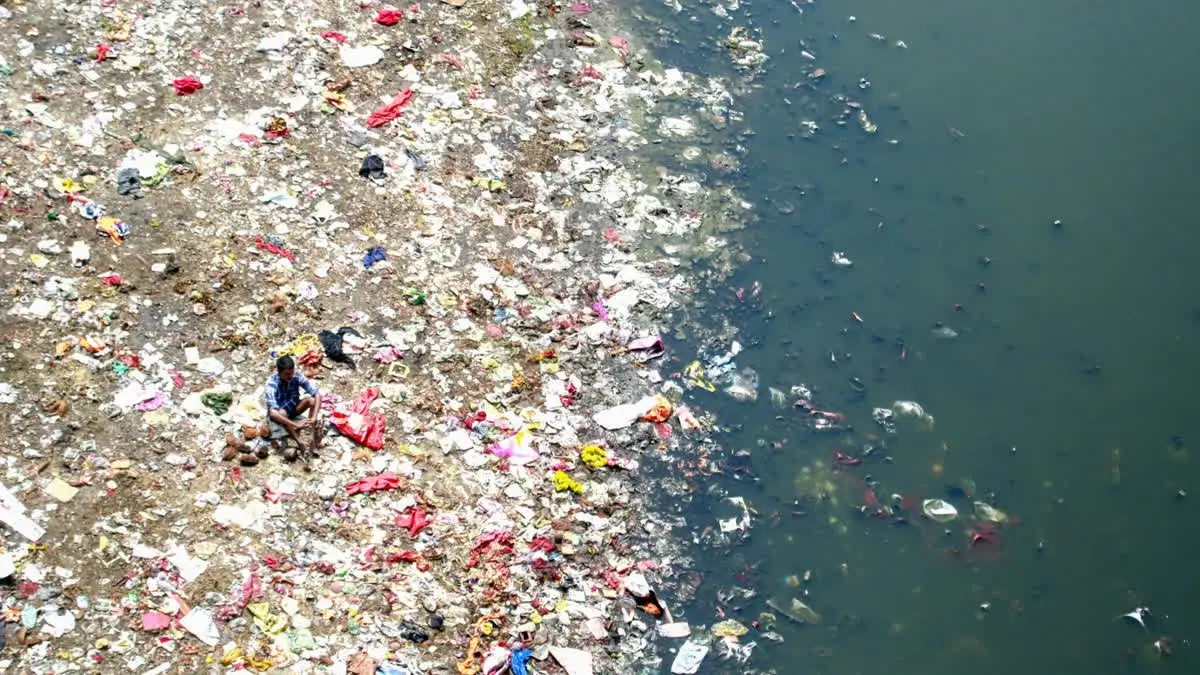
BENGALURU Facing intense legal scrutiny and repeated reprimands from both the Karnataka High Court and the National Green Tribunal over worsening water quality, the Karnataka government has launched a comprehensive, scientific field study to tackle widespread contamination across the Arkavathi river basin. Spanning four districts in Bengaluru's immediate backyard, the vital river basin ultimately merges into the Cauvery River near Kanakapura—the political home turf of Chief Minister D.K. Shivakumar. Driven by mounting ecological degradation, the Cauvery Neeravari Nigam (CNNL) under the Water Resources Department is spearheading this integrated pollution assessment and abatement initiative to systematically identify root causes and implement lasting remediation frameworks. To ensure absolute scientific rigor, the six-month initiative adopts a collaborative multi-stakeholder model, bringing together 13 premier engineering institutions, specialized government agencies, technical experts, environmental NGOs, academic institutions, and local grassroots communities. CNNL has partnered with Bengaluru-based tech firm NakshaTech to manage the advanced technical assessment of incoming field data. Under the program, each of the 13 participating engineering colleges has been assigned specific catchment zones to investigate point and non-point pollution sources, analyze the exact chemical characteristics of untreated industrial effluents, test regional water quality parameters, and propose viable engineering solutions. Oversight is being provided by K. Jayaprakash, retired secretary and technical adviser to Chief Minister Shivakumar, alongside a dedicated 16-member expert committee aimed at moving past piecemeal interventions. Covering a sprawling geographic expanse of more than 4,000 square kilometers which includes major tributaries like the Kumudavathi, Vrishabhavathi, and Suvarnamukhi Rivers the comprehensive project combines high-resolution geospatial mapping with rigorous scientific water sampling across roughly 150 strategic locations. To streamline evaluation and long-term tracking, developers are building an artificial intelligence-based monitoring dashboard to support real-time data analysis and executive decision-making. According to technical leads, the final assessment will directly inform the deployment of localized effluent treatment plants (ETPs) and common effluent treatment plants (CETPs). Furthermore, local farmers and riparian communities are actively participating, contributing traditional knowledge to ensure sustainable, community backed pollution control measures.