South Africans vote to elect local councils
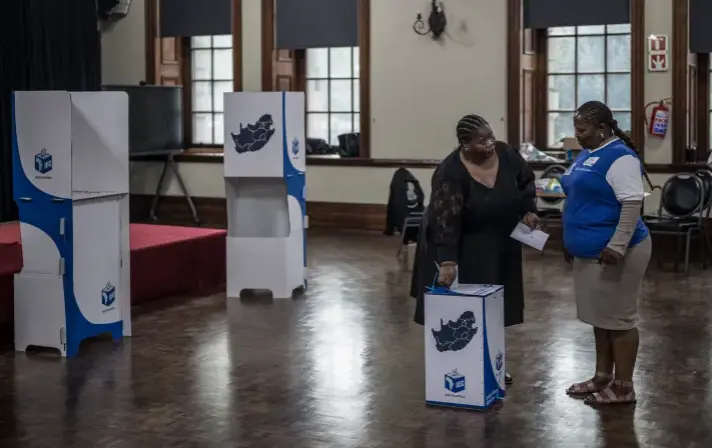
Johannesburg South Africans began voting on Wednesday to choose the local councils that will oversee services such as water, rubbish collection and road repairs for the next five years. Polls opened at 7 am and were due to close at 9 pm local time. More than 29 million people are registered to vote, with nearly 23,700 polling stations open across the country. The Independent Electoral Commission will announce the final results after counting and checking the ballots. This is South Africa’s sixth local election since its transition to democracy in 1994, the commission said. The commission approved 2.65 million applications for special voting on Nov. 2 and 3. Election staff visited voters who could not leave home, while other eligible voters cast their ballots early at designated polling stations. Nearly 137,000 candidates and 546 political parties are contesting 10,526 council seats, according to the commission. Voters choose a candidate to represent their ward and cast a separate ballot for a party. Seats set aside for parties are allocated according to their share of the vote. Outside the eight major metropolitan municipalities, voters also receive a third ballot to choose representatives for district councils. Municipal councils make decisions that residents feel in their daily lives. They help keep taps running, collect rubbish and maintain local roads. They also have a role in distributing electricity to homes, although some services are shared with other levels of government or public utilities. Where one party wins a majority, it can form the local administration on its own. In councils where no party wins enough seats to govern alone, parties will have to negotiate over who runs the municipality. Those talks could determine who is responsible for delivering local services over the next five years.