Karnataka restricts new PU college approvals
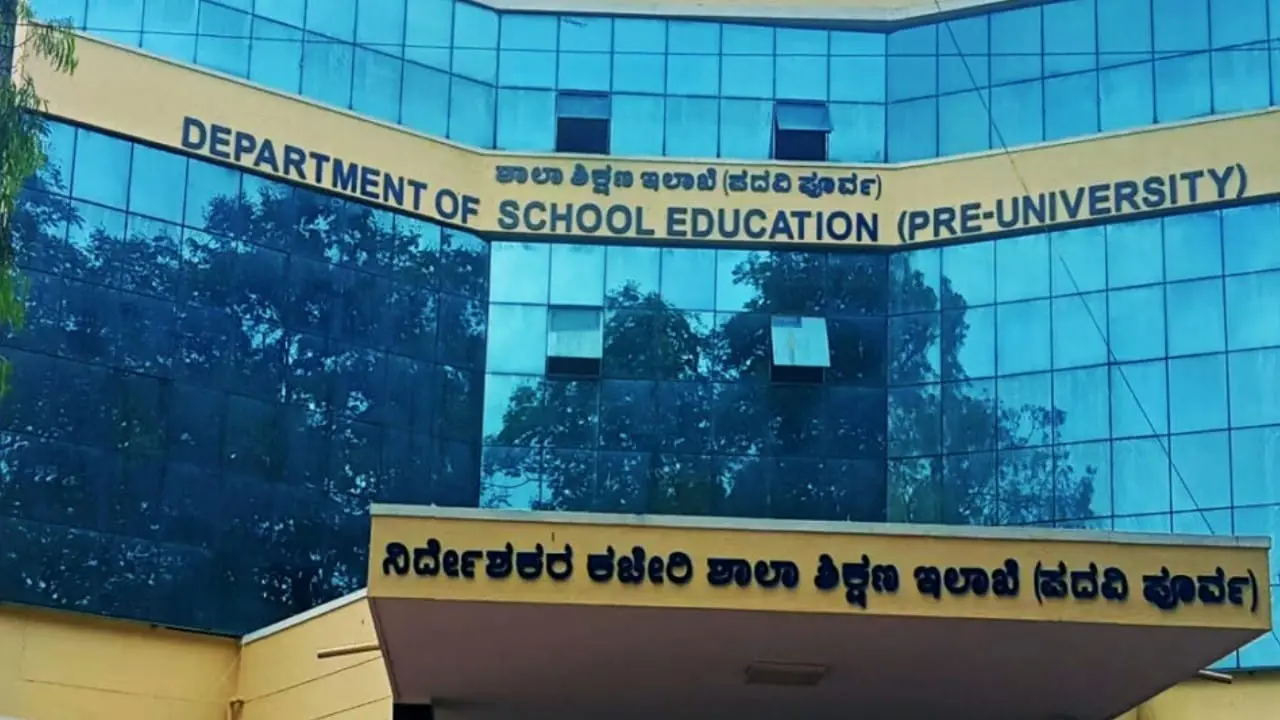
CH NEWS, BENGALURU The state government has taken a decisive step to overhaul the higher secondary education landscape. Authorities have announced a comprehensive three-year hiatus on approving any new private Pre-University colleges, sending ripples across the academic sector. The Department of School Education and Literacy officially published a draft notification confirming that permissions for opening fresh private PU institutions will be completely halted. This strict policy freeze will remain operational across three consecutive academic sessions, spanning from the 2027-28 term through the 2029-30 academic year. This major policy shift comes through a proposed legal amendment to the existing Karnataka Department of School Education Rules, 2024. The move directly addresses long-standing concerns raised by educators and institutional bodies, most notably the Karnataka State Pre-University College Lecturers' Association. Representatives had repeatedly petitioned the administration over chronic structural imbalances caused by overexpansion. Statistical reviews indicate that the state currently hosts more than six thousand operational PU colleges. However, a massive number of seats remain perpetually vacant year after year in numerous existing institutions across various districts. Officials noted that allowing unchecked growth under such conditions creates severe financial and administrative strain on established campuses while diluting academic focus. By pausing new approvals, the government aims to optimize resource utilization and stabilize enrollment figures across current facilities. The education department has opened a 15-day window inviting official feedback, objections, and constructive suggestions from stakeholders, educationists, and the public before finalizing the amendment. Educational experts believe this strategic intermission will encourage existing institutions to upgrade infrastructure and elevate teaching standards rather than competing for dwindling student pools in an oversaturated market.