Bengaluru plans long-term infrastructure, water policies
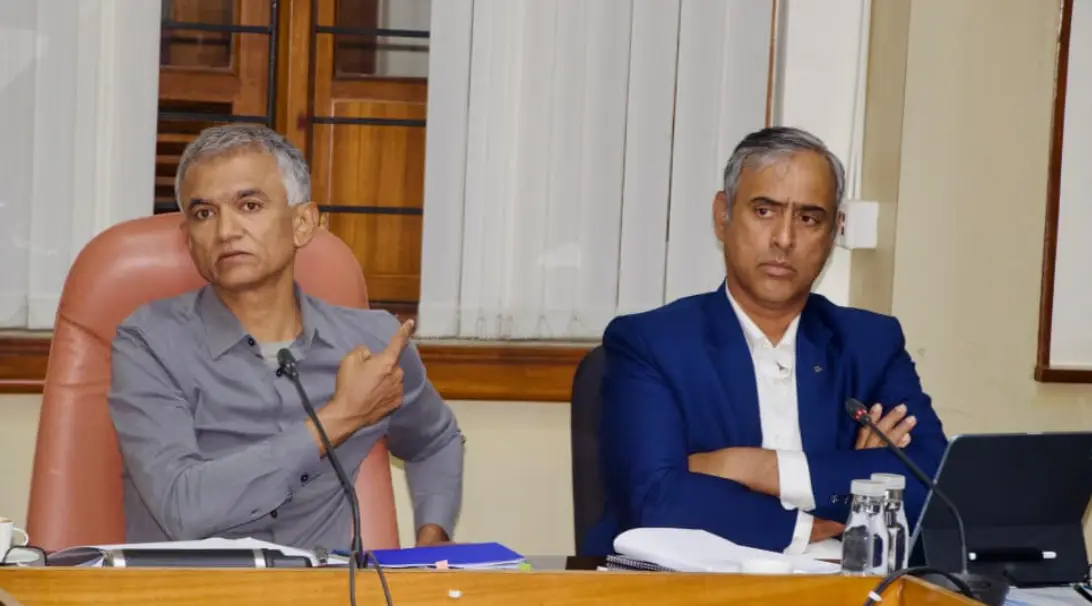
BENGALURU Rapid urban expansion has forced a major shift in how the state capital approaches civic development. Bengaluru Development Minister Krishna Byre Gowda has officially directed top municipal and utility officials to formulate a comprehensive, long-term master plan focused on securing reliable drinking water, expanding road networks, and upgrading underground sewerage systems across the entire urban district. Chairing the fourth Executive Committee meeting of the Bengaluru Development Authority at Vikas Soudha, the Minister stressed that physical infrastructure must anticipate actual growth patterns, extending well beyond the current boundaries of the Greater Bengaluru Authority. Officials have been tasked with assessing future resource needs and rolling out phased projects with strict timelines. A major focus of the high-level meeting was water sustainability and advanced sewage management. Highlighting the success of existing initiatives like the KC Valley, HN Valley, and Vrishabhavathi Valley projects which successfully channel treated wastewater to replenish rural lakes and boost groundwater levels the Minister called for more large-scale recycling frameworks to secure the region's water future. Addressing chronic public frustration over traffic bottlenecks caused by utility work, Minister Gowda issued a stern directive regarding road degradation. Expressing anger that municipal bodies unfairly take the blame when other entities damage newly paved streets, he announced that a strict uniform policy will soon be enacted. Under the upcoming framework, any government department or utility agency including the water board that excavates a road will be held fully accountable for its complete and timely restoration under strict quality standards and penalty clauses. To ease urban congestion and curb private vehicle usage, the administration is overhauling public transit feeder services. The Bangalore Metropolitan Transport Corporation has been instructed to launch GPS-enabled feeder buses operating within a two to three-kilometer radius of Metro stations along fixed, unalterable routes. This will tie into the newly launched BMTC 2.0 app, which currently allows single-platform ticketing for both bus and metro services, with future integrations planned for local auto-rickshaws and cabs. Finally, to bolster public safety amidst rapid high-rise and commercial development, authorities greenlit the establishment of nine new fire stations across the five municipal corporations under the GBA, supplementing the existing twenty stations. Senior officials, commissioners, and managing directors from major urban agencies attended the strategic review.