India advances military AI, missile production and air defence
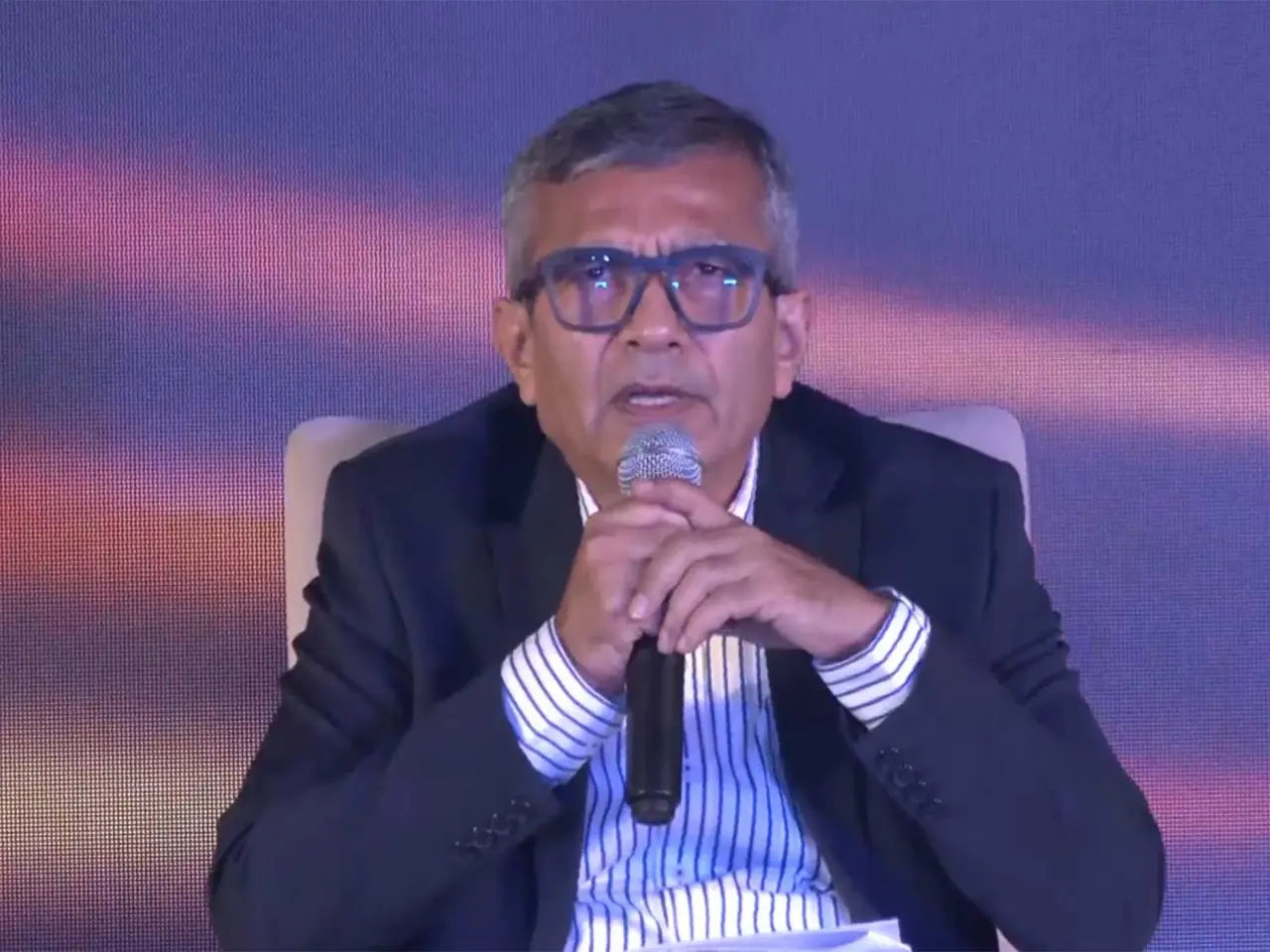
NEW DELHI India is strengthening its defence capabilities by developing an indigenous artificial intelligence (AI) system for the armed forces, expanding missile production and modernising air defence networks, Defence Secretary Rajesh Kumar Singh said on Friday. Speaking at the Agrasar Bharat Manch event, Singh said military AI would support decision-making, target acquisition and data integration. He stressed that India needed its own AI infrastructure because of the sensitive nature of military information and the importance of technological independence. “We have to develop our own AI layer for our military services,” Singh said, adding that the government was working with the national AI mission and selected private-sector partners to develop the necessary computing resources and systems. Singh said India would prioritise domestic development of critical defence technologies while remaining open to cooperation with trusted foreign partners. He also highlighted the Integrated Air Command and Control System (IACCS), which connects radar networks, aerial platforms and air defence systems, as a key component of the country’s integrated defence architecture. The government plans to strengthen this network and replace ageing equipment with modern systems. However, Singh noted that upgraded older air defence guns could remain useful against drones because they cost less to operate than missiles. He said individual missiles could cost between Rs 5 crore and Rs 10 crore, making cheaper interception methods important against low-cost aerial threats. Singh also emphasised the need to increase domestic production of conventional ballistic missiles to reduce unit costs and prepare for future conflicts. He cited recent international conflicts as evidence that inexpensive drones and other mass-produced weapons can challenge expensive military systems. To expand manufacturing capacity, the government has made conventional missile technologies available to domestic industry through technology transfers. Singh said around 17 large private and public-sector players had either received technology packages or were in the process of obtaining them for different missile ranges. He said the ability to rapidly increase production of drones and conventional missiles would be essential for future warfare. Building this industrial capacity, he added, would strengthen India’s deterrence while reducing dependence on foreign suppliers for critical defence equipment.