Grounded dreams: Karnataka’s regional airports stall
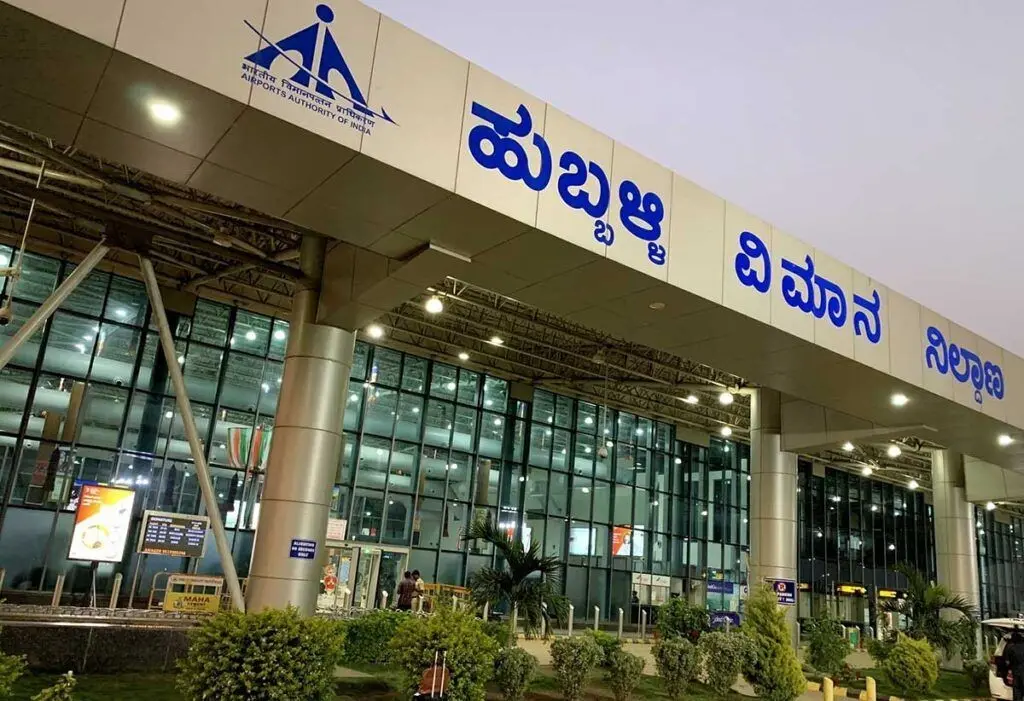
BENGALURU Regional air connectivity across Karnataka faces a severe test as a majority of routes struggle to survive beyond central financial lifelines. Despite substantial capital investments of hundreds of crores, regional airports find it difficult to sustain regular operations due to structural hurdles, thin passenger loads, inconvenient schedules, and waning airline participation. The central government’s Ude Desh ka Aam Naagrik (UDAN) scheme aimed to bridge the viability gap for underserved airports. However, the expiration of the mandatory three-year viability gap funding (VGF) period has exposed vulnerabilities in the commercial model of regional aviation. Of the 42 routes originally selected in the state, only 11 remained operational as of January 2026. Thirty-one routes became inactive after their initial subsidy tenure ended. Among the 11 active routes, six continued to receive external backing, while only five managed to survive independently. The impact of expiring subsidies and airline withdrawals is visible in traffic metrics across major regional gateways. Aircraft movements at Kalaburagi, Hubballi, Mysuru, and Belagavi fell sharply from 13,180 in the 2021-22 fiscal year to 5,372 in 2024-25, representing a drop of about 59.2%. Total passenger traffic across these facilities declined from 4.9 lakh to 3.3 lakh over the same timeframe. State infrastructure authorities note that the Centre rejected proposals to extend UDAN support from three to five years, followed by a subsequent phase of shared funding. This policy stance contributed to the suspension of operations across multiple domestic airports nationwide, prompting privatization moves for hubs like Hubballi and Mangaluru. To counteract these trends, the Karnataka government plans to manage select facilities directly through state agencies. Kalaburagi services have been revived with funding from regional development boards and state allocations. A comprehensive civil aviation policy is slated for cabinet review, addressing grants, operational models, and financial support frameworks to prevent regional airports from becoming underutilized assets. Meanwhile, greenfield projects face mixed timelines, with Vijayapura targeting operations while other proposed sites encounter construction and funding delays.