Canary Islands record 1,488 migrant arrivals in a day
MADRID: Nearly 1,500 migrants arrived in Spain’s Canary Islands, marking the highest number of people rescued in a single day since 2020, as arrivals from West African countries continued to increase.
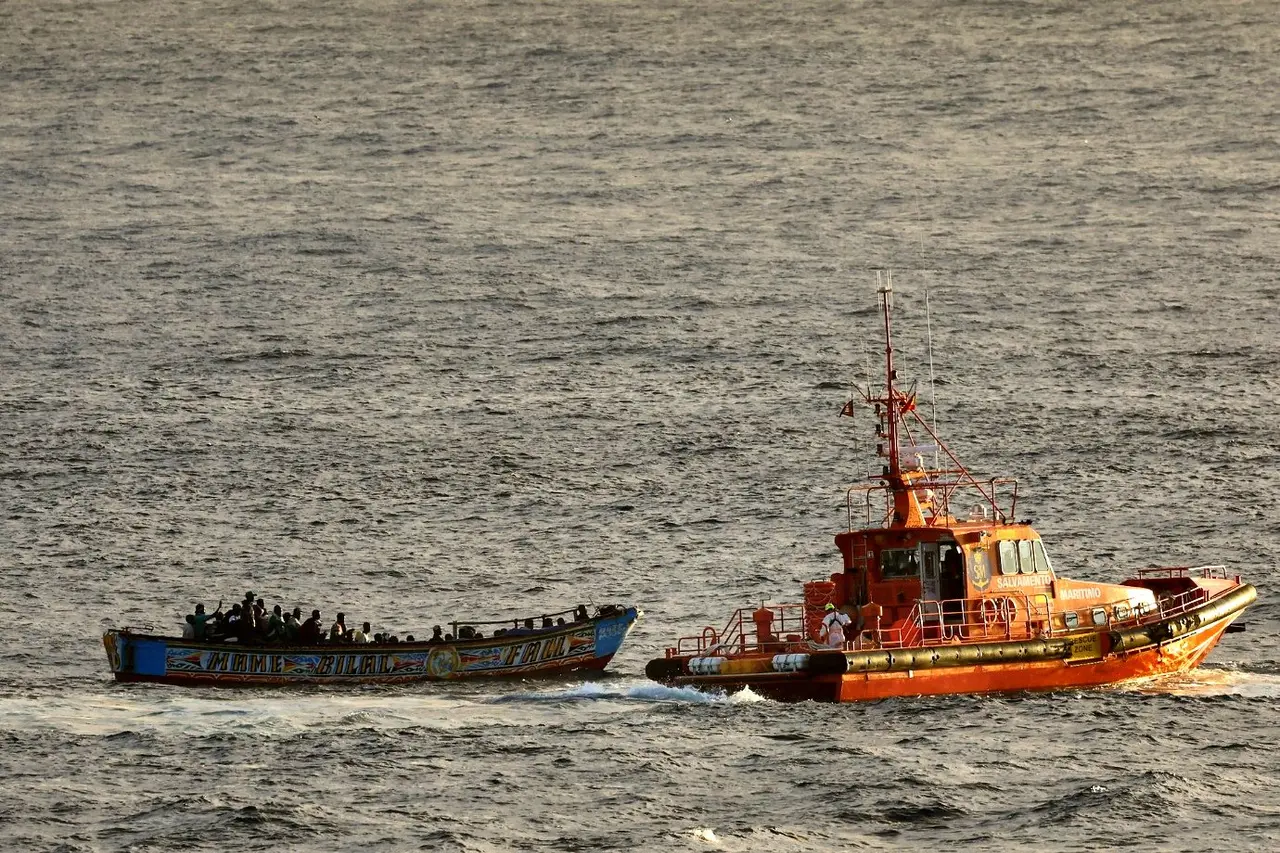
A total of 1,488 people travelling in 14 boats were rescued by the Spanish coastguard, according to maritime rescue services. The arrivals continued a surge in migration towards the Spanish archipelago that has been underway since October.
The latest figure surpassed the previous single-day record of 1,461 people rescued in waters surrounding the Canary Islands on November 7, 2020, maritime rescue services said on Sunday.
Although overall migrant arrivals in the Canary Islands have declined so far this year compared with the same period last year, the sharp increase recorded last month has placed additional pressure on reception facilities and emergency services.
The situation has particularly affected smaller and less densely populated islands, where authorities face challenges in accommodating and assisting the growing number of arrivals.
Among the boats rescued was one carrying 240 people, including 12 women and 36 children. Authorities said the migrants were brought to El Hierro, one of the smallest islands in the Canary Islands archipelago.
Most of the rescued individuals were from Senegal, Gambia and Guinea Conakry, highlighting the continuing movement of migrants from West Africa towards Spain.
Of the 14 boats recorded, 12 arrived in El Hierro, while one reached Gran Canaria and another arrived in Tenerife.
The latest arrivals underline the continuing challenges faced by Spanish authorities in managing migration across the Atlantic route, particularly as increasing numbers of people reach the smaller islands.