Bengaluru South Disposes Of 20,000 Tons Of Waste
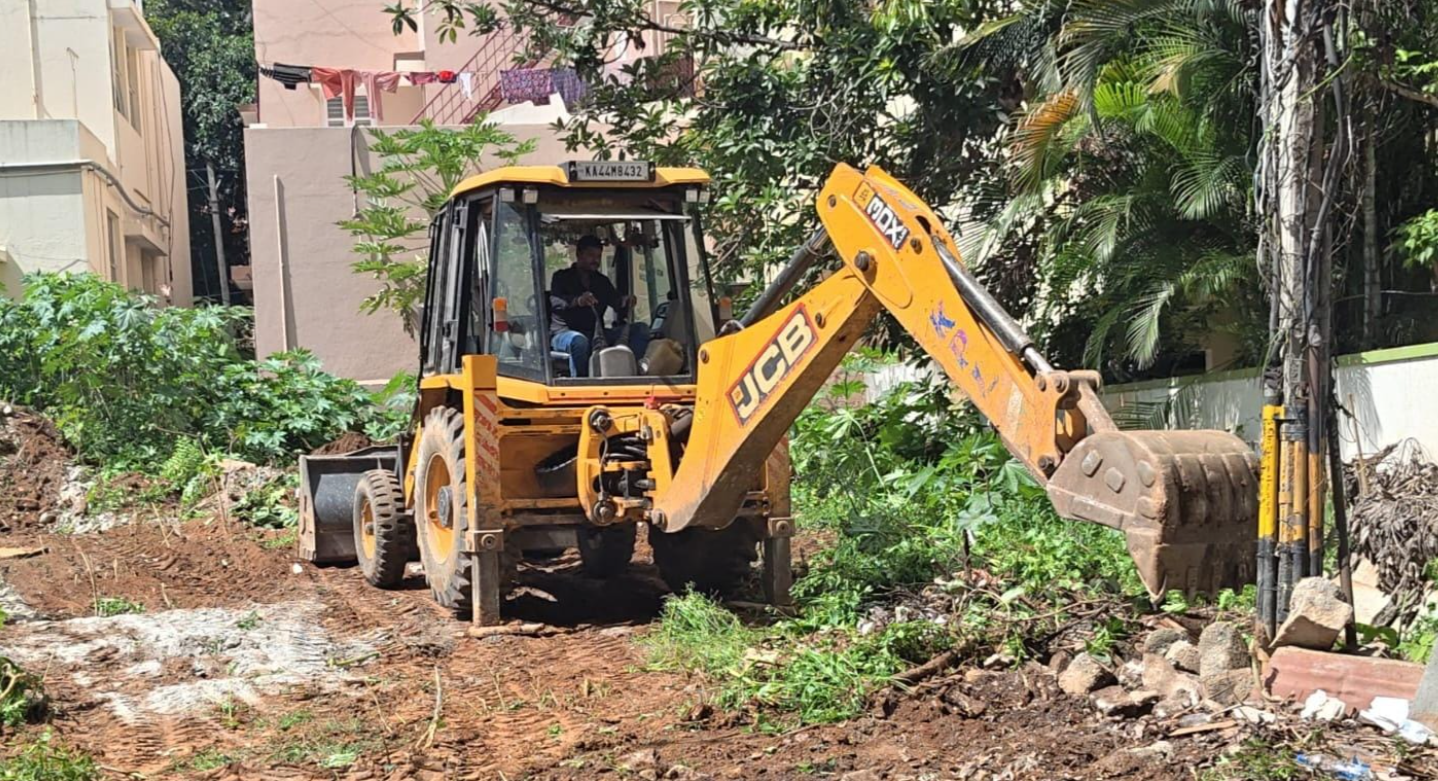
BENGALURU Under the overarching guidance of Greater Bengaluru Development Minister Krishna Byre Gowda, the Bengaluru South City Corporation has made sweeping strides in urban sanitation through the intensive implementation of the 'Waste-Free Freedom Campaign'. Corporation Commissioner K.N. Ramesh announced that a massive sanitation drive executed over the past two months successfully cleared and disposed of 20,980.84 metric tonnes of accumulated waste from across the municipal zone. The large-scale operation, conducted continuously from August 1 to September 30, targeted chronic garbage "black spots" and overflowing waste piles along major roadways and public spaces. Utilizing a dedicated fleet of tipper trucks completing 885 dedicated trips, municipal work crews transported the collected refuse to designated processing and disposal sites located at Vittasandra and Kallubalu near Anekal. The clean-up campaign also prioritized swift responsiveness to citizen grievances logged through municipal digital channels. Officials reported that a total of 1,601 complaints and requests for garbage clearance were officially registered during the two-month period. Demonstrating inter-departmental coordination, Assistant Engineers (AEs) submitted 928 requests and local Marshals filed 339 reports, all of which were met with prompt field actions by sanitation staff to restore hygiene standards in affected neighborhoods. Commissioner Ramesh expressed appreciation for the collaborative efforts of residents and civic personnel while issuing a stern appeal for sustained community cooperation. He emphasized that reducing waste accumulation along public corridors to near-zero levels requires a permanent shift in civic habits. Residents were strongly urged to refrain from indiscriminate littering, strictly segregate wet and dry waste at the source, and hand refuse exclusively over to authorized municipal collection vehicles. The Commissioner underscored that maintaining Bengaluru South as a model, garbage-free zone depends heavily on active public participation alongside rigorous municipal enforcement. Civic authorities plan to continue ground monitoring and rapid-response protocols to prevent cleared black spots from reemerging.