Tourism crumbles amid official neglect
Historic forts decay, tourist facilities remain inadequate despite the district’s rich heritage and natural beauty.
CH NEWS, YADGIR
Despite its rich historical legacy, ancient archaeological sites, magnificent forts, renowned religious centres, reservoirs, hill ranges and diverse birdlife, tourism in district continues to suffer from official apathy, poor maintenance and a lack of basic infrastructure.
The district, steeped in centuries of history and cultural traditions, has immense potential to emerge as a major heritage and eco-tourism destination in Kalyana Karnataka. However, several prominent tourist attractions remain neglected, leaving visitors struggling with poor road connectivity, inadequate drinking water, a lack of toilets and accommodation, and insufficient tourist information.
The historic Yadgir Fort, perched atop a hill, and the Waganagere Fort stand as reminders of the region’s glorious past and architectural heritage. However, portions of these structures have deteriorated over time, raising concerns about the preservation of the district’s historical treasures.
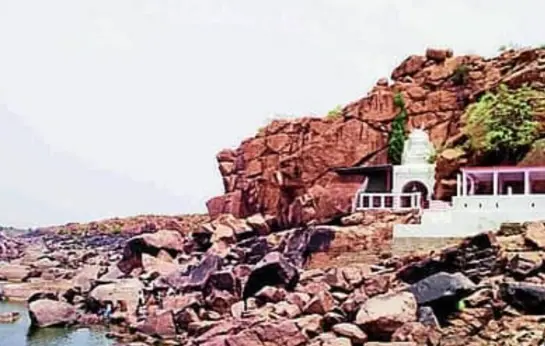
Yadgir also boasts significant religious destinations, including the Mailapur Mailaralingeshwara Temple, the Tinthini Mouneshwara shrine, which symbolises communal harmony, and the ancient Chaya Bhagavathi Temple on the banks of the Krishna River. These places attract devotees from different regions, particularly during annual fairs and religious festivals.The district’s natural attractions include the Saudagar and Hattikuni reservoirs, the Basava Sagar reservoir at Narayanpur, rocky hills and seasonal waterfalls. The Bonal Bird Sanctuary, which attracts migratory birds during winter, has considerable potential for eco-tourism.
The absence of signboards, tourist maps and reliable information at bus stands, railway stations and other public places further discourages visitors. Tourists often struggle to identify destinations, find suitable routes and access basic services. A comprehensive tourism development plan, backed by adequate funding and time-bound implementation, could help transform Yadgir’s neglected heritage into an economic asset. Better roads, accommodation, sanitation, drinking water, visitor information centres, trained guides and eco-friendly tourism facilities could improve the experience for visitors. Such development could also generate employment for local youth through hotels, transport services, food businesses, handicrafts and tourism-related enterprises.
The key challenge, however, remains translating proposals and allocations into visible improvements on the ground. Without sustained maintenance, transparent utilisation of funds and coordinated action by the authorities, the rich heritage risks remaining a largely untapped asset.