Pollution harming Bengaluru's frontline workers: Reports
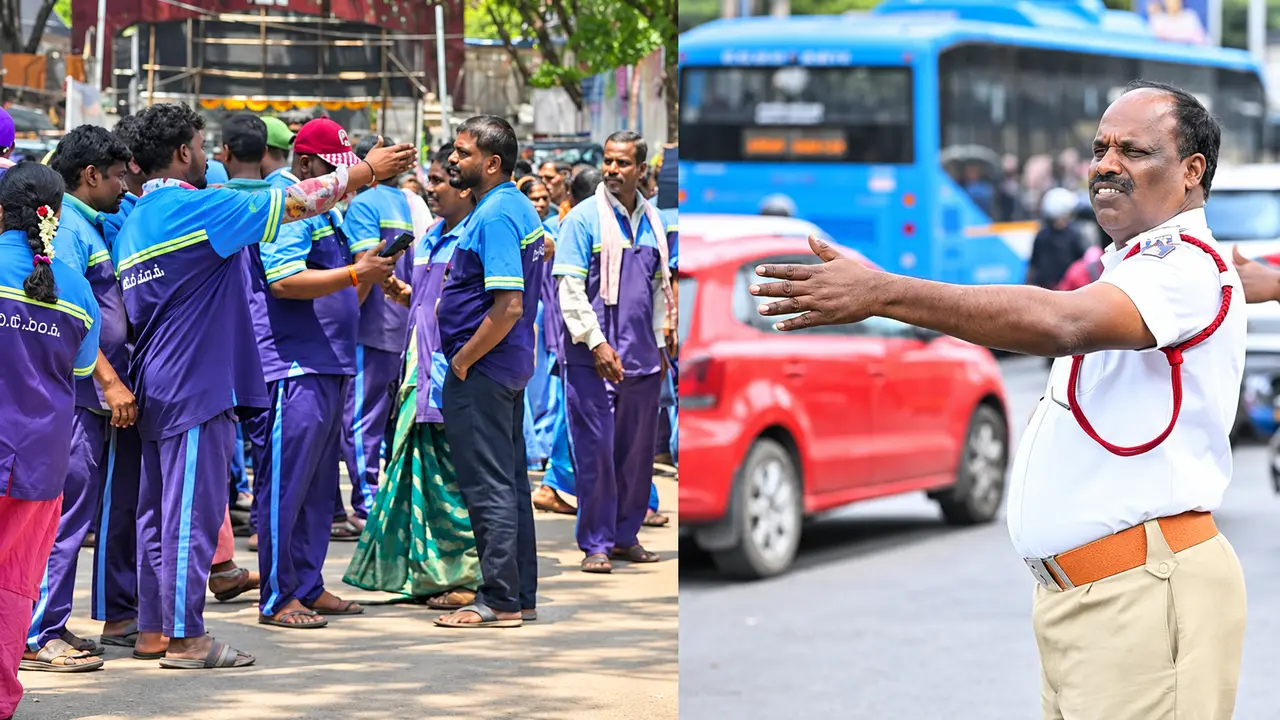
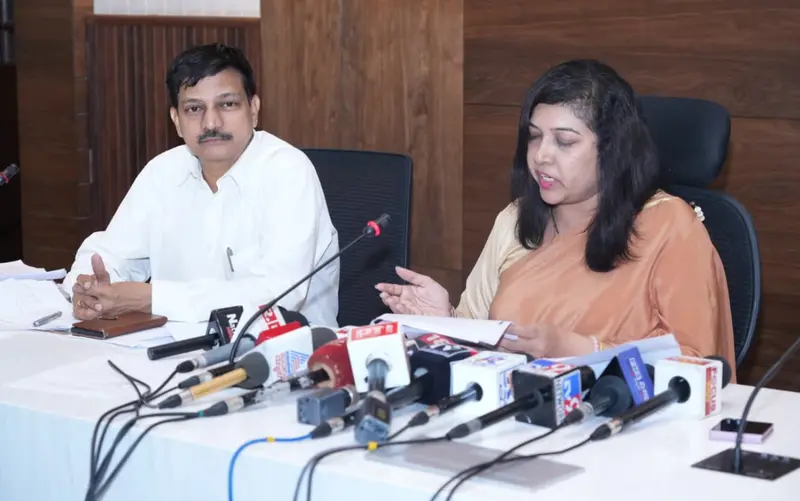
CH NEWS, BENGALURU Alarming health findings released in Karnataka's capital have underscored the heavy toll that rising air pollution is exacting on Bengaluru’s frontline workforce. Comprehensive medical screenings conducted across more than 11,000 city personnel revealed that an overwhelming 45% of civic workers (pourakarmikas) and 28% of traffic police officers are suffering from significantly reduced lung function and severe pulmonary impairments. The critical data emerged during a high-level roundtable discussion hosted by the 'VAAYU' clinic, focusing intensely on occupational health hazards driven by vehicular exhaust and airborne dust. The screenings highlighted widespread respiratory distress across multiple exposed professions: in addition to civic workers, nearly 29.5% of Bangalore Metropolitan Transport Corporation (BMTC) operational staff and 15% of construction laborers exhibited clear symptoms of lung-related decline. Medical specialists noted that constant exposure to dense traffic corridors, heavy particulate matter, and vehicular emissions is systematically eroding the respiratory health of workers stationed outdoors. Beyond pulmonary damage, renowned cardiologists Dr. C.N. Manjunath and Dr. Vivek Jawali raised grave concerns regarding the systemic cardiovascular impacts of toxic air. They pointed out an alarming rise in heart attacks and strokes among younger demographics across the metropolis, directly linking chronic inhalation of polluted air to acute cardiac risks. In response to these findings, health experts and medical professionals have urged the state government and municipal authorities to implement immediate protective interventions. Key recommendations include rescheduling the shift hours of pourakarmikas and traffic personnel to avoid high-pollution peak traffic windows, making the regular wearing of specialized anti-pollution masks strictly mandatory, and instituting routine, mandatory annual health check-ups for all outdoor frontline personnel.