PM-SETU upgrades 9 govt ITIs
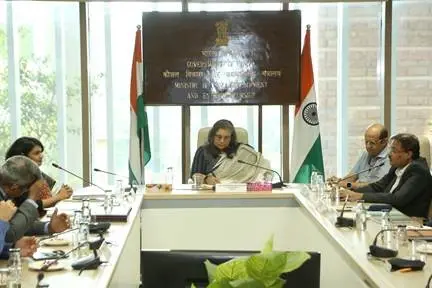
New Delhi India has taken a step towards modernising its vocational training ecosystem with the signing of Shareholders' Agreements (SHAs) for upgrading nine government Industrial Training Institutes (ITIs) in Gujarat and Andhra Pradesh under the Pradhan Mantri Skilling and Employability Transformation through Upgraded ITIs (PM-SETU) scheme. According to an official statement released on Monday, the agreements were signed between the Directorate General of Training (DGT), under the Ministry of Skill Development and Entrepreneurship, the governments of Gujarat and Andhra Pradesh, and ArcelorMittal Nippon Steel India (AM/NS India). The partnership covers a cluster of five government ITIs in Surat, Gujarat, and four in Visakhapatnam, Andhra Pradesh. The initiative aims to strengthen industry participation in vocational education and develop modern training infrastructure aligned with evolving industrial requirements. Dedicated Special Purpose Vehicles (SPVs) will be established to oversee the implementation and operations of the ITI clusters. Under the agreed ownership structure, AM/NS India will hold a 51 per cent stake in the SPVs, while the central government and the respective state governments will each hold 24.5 per cent equity. Skill Development and Entrepreneurship Secretary Debashree Mukherjee said the agreements marked the beginning of a transformative journey for ITIs. She stressed the importance of developing PM-SETU institutions into centres of excellence capable of nurturing future WorldSkills champions. AM/NS India will implement the programme in collaboration with the New Age Makers' Institute of Technology (NAMTECH), which will serve as its academic and technical partner. The company will contribute manufacturing expertise, while NAMTECH will support curriculum reforms, faculty development, academic innovation and improved training delivery. Planned interventions include modernising workshops and laboratories, introducing emerging technology trades, updating curricula to meet industry needs, strengthening instructor training and expanding hands-on learning opportunities. The initiative seeks to bridge the gap between vocational education and industry requirements, equipping trainees with relevant skills and improving their employability.