Fewer H-1B visas could benefit Indian economy: Piyush Goyal
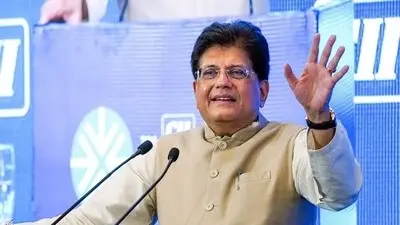
NEW DELHI Union Commerce and Industry Minister Piyush Goyal on Saturday said that fewer H-1B visas for Indian professionals could benefit the country's economy, arguing that restrictions on overseas employment may encourage skilled workers to contribute to India's growth. He also said he had never raised the issues of H-1B visas or green cards with the United States administration during the past seven-and-a-half years. Goyal's remarks come amid increased scrutiny of the H-1B visa programme under the Donald Trump administration. The programme allows US employers to hire foreign professionals for specialised occupations, including information technology, engineering and other technical fields. “I personally believe that not getting more H-1B visas is absolutely good for the Indian economy,” Goyal said, expressing the view that reduced access to overseas work opportunities could have positive implications for India. The comments follow reports that the United States has suspended the processing of certain employment-based certificates required by Indian IT professionals seeking permanent residency. Major Indian technology companies, including Tata Consultancy Services (TCS) and Infosys, were reportedly affected by the move. The certificates are associated with the Permanent Labour Certification programme, commonly known as PERM, which is part of the process through which eligible foreign workers can pursue employment-based green cards. The suspension has raised concerns about potential delays for Indian professionals seeking permanent residence in the US. Goyal said he had not taken up the H-1B visa or green card issue in his discussions with the US administration over the past seven-and-a-half years. His statement comes amid continuing debate over immigration policies, overseas employment and the future of Indian professionals working in the American technology sector. The H-1B programme has long been an important route for Indian technology workers seeking employment in the United States. Changes to visa policies and permanent residency procedures can affect both employees and companies that depend on international talent. The latest developments have renewed discussion about whether tighter US immigration rules could encourage skilled Indian professionals to remain in the country and strengthen domestic industries. However, the broader economic impact will depend on employment opportunities, wages, investment and the ability of Indian companies to absorb returning or locally trained talent.