BWSSB expands rural reach amid low piped water demand
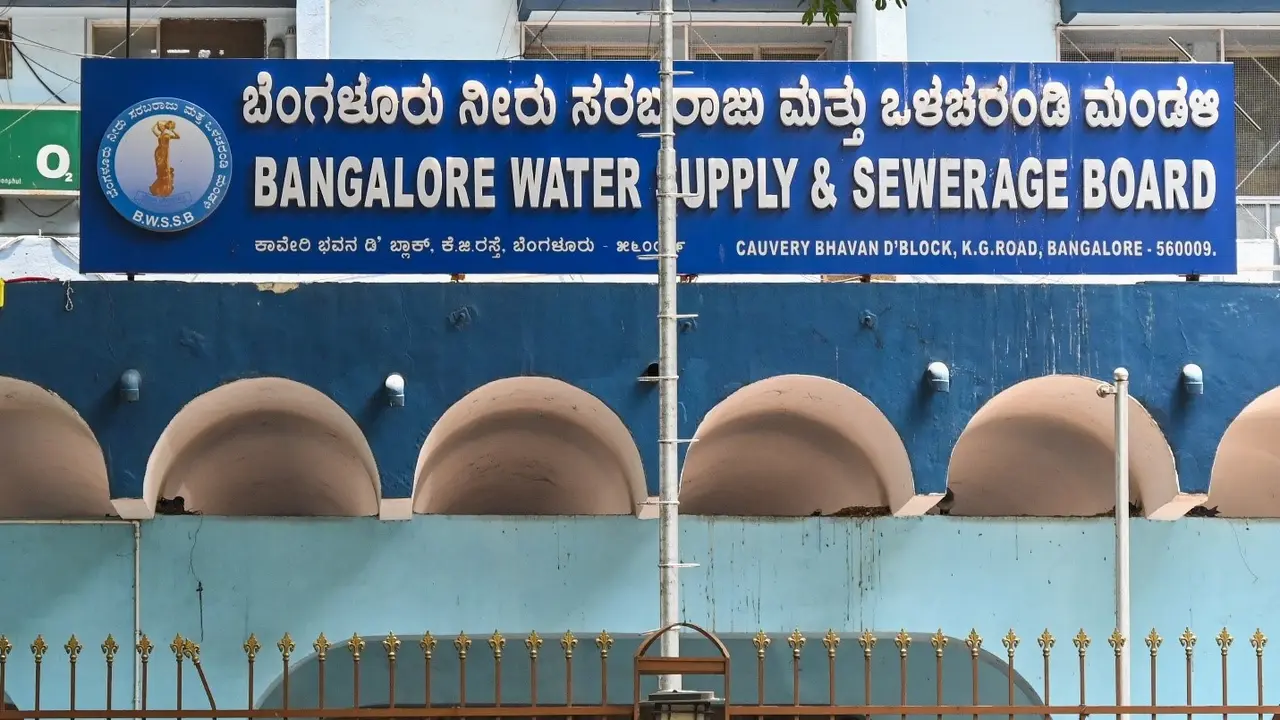
BENGALURU Even as the state government officially extends the jurisdiction of the Bangalore Water Supply and Sewerage Board (BWSSB) to encompass all remaining rural habitations across the Bengaluru Urban district, municipal authorities face a mounting challenge regarding sluggish consumer uptake and low application rates for formal piped water connections in newly integrated fringe zones. Data from the water utility reveals that two years following the formal rollout of the Cauvery Stage V project—which was designed to channel treated Cauvery River water to 110 erstwhile villages incorporated into the municipal boundaries back in 2007—only about one lakh households have formally applied for connections. This figure represents a mere 35 percent of the three lakh targeted connections initially projected by planners, highlighting a persistent cultural and economic reluctance among rural and semi-urban households to transition away from traditional groundwater extraction. BWSSB Chairperson Dr. Manjula N. addressed the slow application numbers, attributing a portion of the lag to historical infrastructure timelines and localized pipeline damage. According to the chairperson, secondary distribution lines running into individual lanes and residential properties across many of these urbanized villages were installed prematurely between 2019 and 2020. However, because the massive trunk infrastructure was finalized and actual water delivery commenced only by 2024, distribution pipelines in at least 22 villages suffered physical damage or silt blockages over the intervening years. Board engineers have successfully rehabilitated damaged distribution networks across 18 of these affected villages, with full-pressure water release scheduled shortly. Municipal officials remain optimistic that demand will steadily rise, mirroring the behavioral shift observed during the severe summer drought of 2024, when plunging groundwater tables and failing private borewells forced hesitant residents to abandon independent extraction and actively seek municipal supply. The massive geographical expansion has also ignited internal debates within the board concerning long-term operational viability and logistical management. With the service area more than doubling following the integration of all district villages, senior BWSSB sources indicate that the utility may soon restrict its direct administrative mandate strictly to bulk water transport, trunk mains, and primary storage reservoirs. Under potential restructuring models being evaluated by the state administration, local village panchayats and urban local bodies (ULBs) could be delegated the responsibility of laying, maintaining, and managing localized residential distribution networks and individual household service connections. While Chairperson Manjula expressed confidence that increasingly urbanized rural communities will ultimately embrace reliable municipal water supply, balancing infrastructural capital costs with sustainable consumer adoption remains a crucial test for Bengaluru's civic planners.