EU seeks funds for Ukraine at IMF
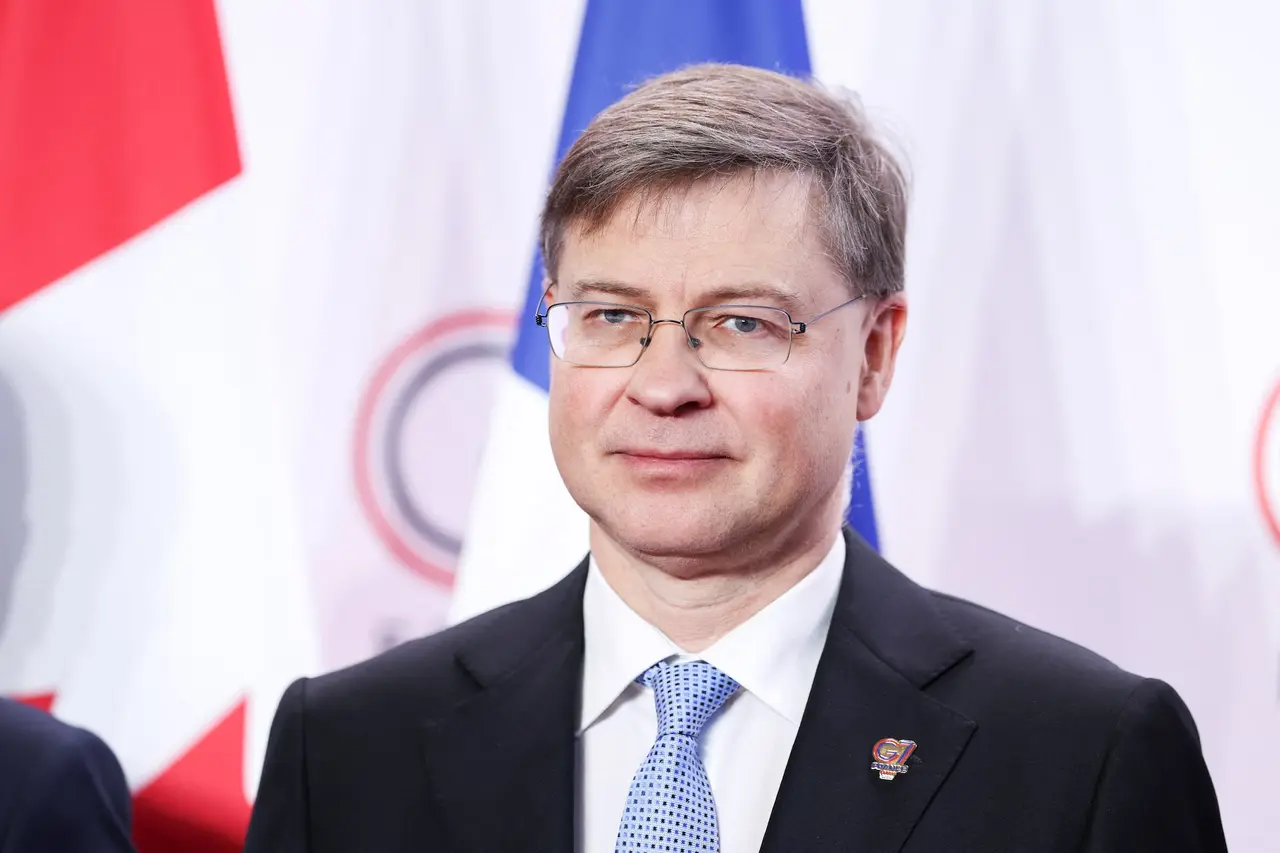
BANGKOK As global financial leaders gather in Bangkok for high-stakes discussions, the European Union has launched an urgent diplomatic and financial push to close a looming funding gap for Ukraine. Speaking on the sidelines of the International Monetary Fund and G7 meetings, European Economic Commissioner Valdis Dombrovskis outlined the bloc's strategy to secure substantial multi-national monetary commitments to sustain Kyiv through 2027 and beyond. While financial provisions for the year 2026 are largely secured—backed by roughly 31 billion euros from EU coffers awaiting final disbursement contingent on agreed parliamentary reforms—future projections indicate a widening fiscal deficit. Although Brussels has already pledged an additional 45 billion euros ($50 billion) for 2027, Ukrainian defense and reconstruction requirements are expected to vastly outstrip these initial commitments, prompting the EU to actively canvass wealthy international partners. "This is one of the primary topics being addressed during the current IMF and G7 sessions, where our objective is to mobilize collaborative support from allied nations," Dombrovskis stated during an interview. He emphasized that from the inception of the conflict, the European Union has maintained the operational position that it intends to cover approximately two-thirds of Kyiv’s aggregate external financing requirements, leaving international allies to pool resources for the remaining share. To bridge the immediate financial chasm while partner nations deliberate on new budgetary allocations, Brussels is examining mechanisms to front-load its scheduled 2027 disbursements. However, economic planners face compounding challenges, not least because comprehensive final assessments of Ukraine's total fiscal and defense needs for the upcoming year remain under active review by international auditors. Beyond pure financial aid, Dombrovskis drew sharp attention to systemic shortfalls in military hardware delivery, noting a persistent gap between public defense pledges made by various NATO member states and the actual deployment of armaments to the front lines. Closing this delivery deficit, he argued, remains vital to alleviating the severe pressures weighing on Ukraine's national treasury. Pointing to positive exceptions within the international donor community, he highlighted Norway’s robust contributions, including a newly pledged 9 billion euros for next year, contrasting it with other affluent partners who have lagged behind in scaling their commitments proportionally.