Bhutan glacial lake outburst triggers flood fears in India
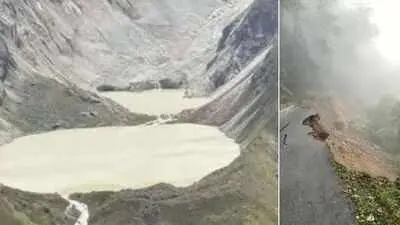
NEW DELHI A reported glacial lake outburst in Bhutan’s Gasa district has raised flood concerns in parts of West Bengal and Assam, prompting warnings and precautionary evacuations along the Sankosh River. The reported Glacial Lake Outburst Flood (GLOF) occurred in the Shintaphu glacier region of northwestern Bhutan. The sudden release of water could increase levels in the Sankosh River and its tributaries, threatening vulnerable settlements downstream. Residents in at-risk riverside areas have been advised to move to safer locations, with reports indicating that thousands have been evacuated. Floodwaters have reportedly washed away facilities in Bhutan’s Gasa Tshachu area. However, the area had been evacuated beforehand, and initial reports indicated no casualties. The exact volume of water released and the potential scale of the impact in India remain unclear. In West Bengal, Kumargram in Alipurduar district and settlements along the Sankosh River are among the areas of concern. In Assam, low-lying riverside areas in Dhubri district have been placed under alert. Residents in North Bengal, including parts of Darjeeling and Jalpaiguri, have also been advised to remain vigilant and follow official safety instructions. West Bengal Forest Minister Manoj Kumar Oraon has appealed to people living along the Sankosh River to relocate to safer places. Authorities are monitoring river levels and preparing to evacuate additional residents if necessary. Road traffic in affected parts of Bhutan has reportedly been suspended following flood-related damage. Claims that more than 6,000 people have been evacuated require official confirmation. A GLOF occurs when water stored in a glacier-fed lake is suddenly released, often after a natural dam of ice, rocks or loose soil collapses. Such floods can carry mud, rocks and debris, damaging villages, roads, bridges and farmland. Rising temperatures and accelerated glacier melting can increase risks in vulnerable mountain regions. The incident underscores the importance of India-Bhutan cooperation in sharing rainfall data, river-level information and early flood warnings. In 2023, an outburst from South Lhonak Lake in Sikkim caused extensive destruction along the Teesta River valley.