₹4.79 cr subsidy arrears threaten Kalaburagi Indira Canteens
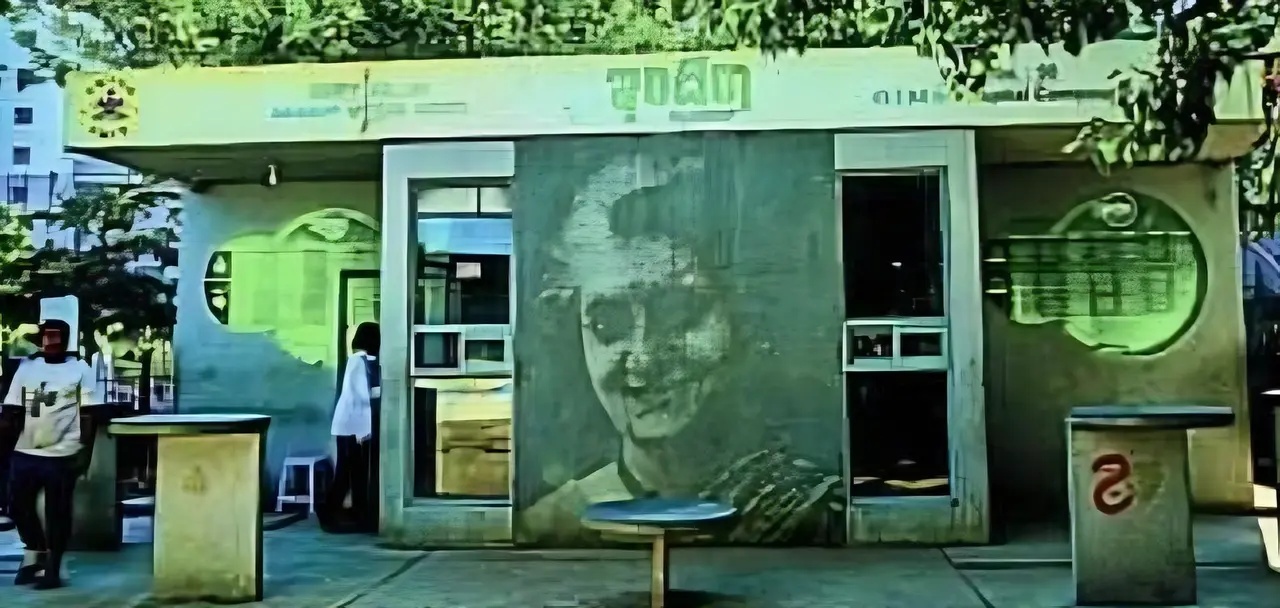
KALABURAGI: Indira Canteens in Kalaburagi are facing a serious financial crisis, with subsidy arrears of ₹4.79 crore pending from the State government and the Kalaburagi City Corporation.
Delayed payments and rising prices of essential commodities have made it increasingly difficult for contractors to maintain uninterrupted food services.
Eight Indira Canteens are operating at important locations across the city, including GIMS Hospital, Jayadeva Hospital, the Central Bus Stand, Railway Station, City Corporation premises and APMC. Thousands of students, unorganised workers and economically weaker sections depend on these outlets for affordable meals, with breakfast available for ₹5 and lunch and dinner for ₹10 each.
Launched in 2017, the scheme faced setbacks after a change of government, resulting in the closure of several outlets due to financial constraints. Following the Congress government’s return to power in Karnataka, the canteens resumed operations in September 2024.
However, outstanding subsidies have again placed their functioning under pressure. According to payment details up to October-end, the City Corporation owes ₹2.97 crore, while the State government’s pending share stands at ₹1.82 crore.
Over the past 26 months, the City Corporation has reportedly released only ₹30 lakh, while the State government has paid ₹1.50 crore in two instalments. Subsidies have reportedly remained unpaid for 23 months by the Corporation and 14 months by the State government.
Raghavendra Gowdar, manager of the Indira Canteens in Kalaburagi, said contractors were struggling to manage expenses amid rising prices. He cited increases in LPG cylinder costs, supply disruptions and the need to switch to firewood for cooking. Rice prices, earlier around ₹40 per kg, have also nearly doubled, he said.
Under the existing arrangement, contractors receive ₹51 per beneficiary for three meals. Consumers pay ₹25, while the remaining ₹26 is shared equally by the State government and the City Corporation.
Gowdar said the fixed payment was no longer sufficient to cover expenses, including groceries and workers’ salaries. Suppliers had also become reluctant to provide provisions on credit.
Contractors have been facing mounting financial pressure, raising concerns over the sustainability of the affordable meal service unless the pending subsidies are cleared.