Warsaw on alert as Polish leaders face threats
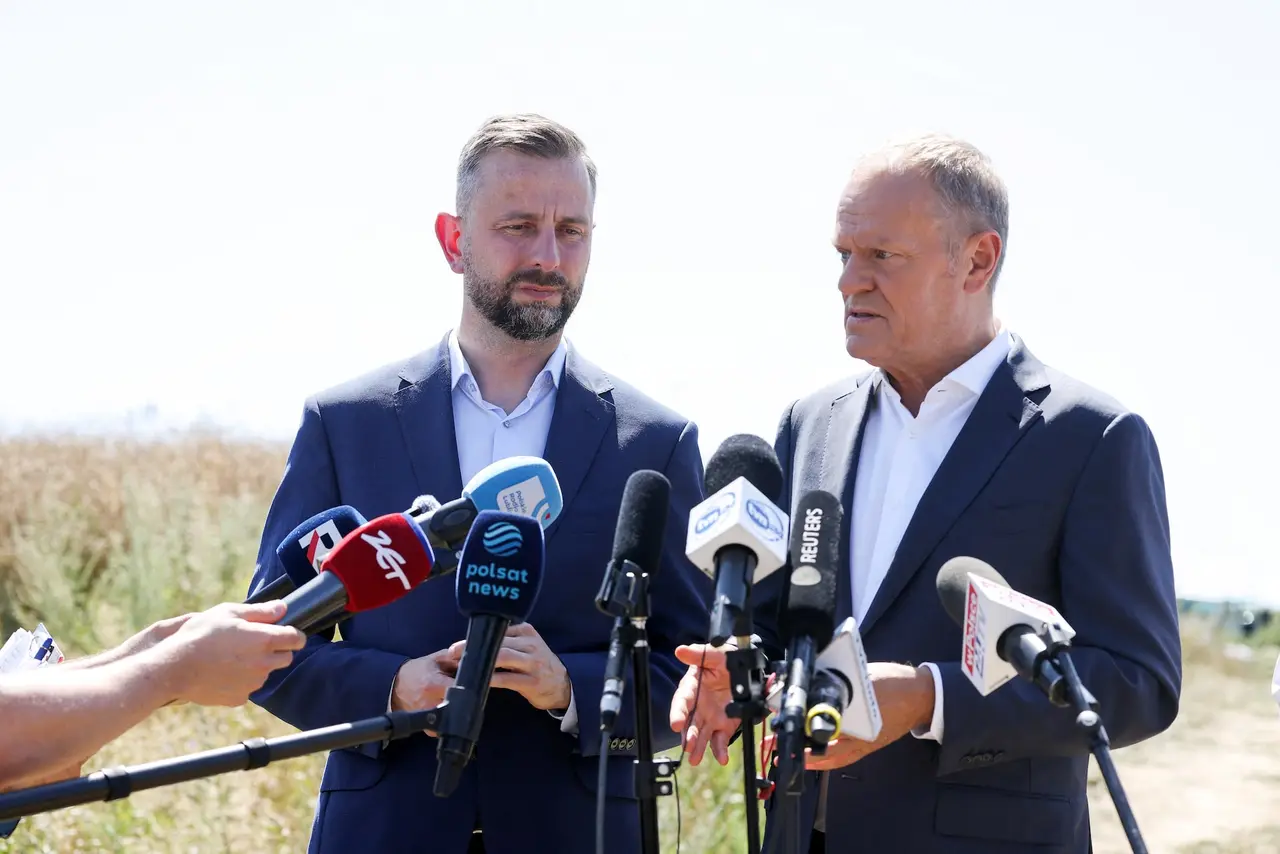
WARSAW Polish security agencies convened an emergency high-level meeting following credible intelligence regarding a potential security threat targeting Prime Minister Donald Tusk and Defence Minister Wladyslaw Kosiniak-Kamysz. Karolina Galecka, an Interior Ministry spokesperson, announced via social media that the Polish Police flagged the potential plot, prompting immediate intervention from top government officials. Interior Minister Marcin Kierwiński and Minister-Coordinator of Special Services Tomasz Siemoniak swiftly ordered coordinated counter-measures. Security leaders gathered at eleven in the morning at the Internal Security Agency's elite Counter-Terrorism Centre to assess the danger, evaluate intelligence gaps, and reinforce protective details. While official spokespeople withheld granular details regarding the nature, origin, or specific methodology of the plot, private broadcaster Radio Zet reported that law enforcement authorities received an anonymous threat delivered via email. Although violent political crimes remain statistically uncommon in Poland, the nation has experienced heightened vulnerability and deep political polarization. As a frontline European Union and NATO member sharing a direct border with war-torn Ukraine, Poland has continuously faced hybrid threats, espionage activities, and security alarms. Government officials remain on high alert following a series of recent domestic security incidents. In August, law enforcement detained a twenty-three-year-old individual formally accused of inciting the assassination of high-ranking state leaders. Furthermore, Prime Minister Tusk publicly disclosed receiving direct threats in 2024, closely following the shocking assassination attempt on neighboring Slovak Prime Minister Robert Fico. Sunday's emergency security session also coincided with a period of intense national vigilance following a tragic wave of school violence that culminated in the fatal stabbing of a school caretaker earlier in the week. As investigations continue, state security apparatuses have significantly escalated protective measures around key government ministers to deter potential hostile actors and ensure national stability.