Pakistan plans $58 bn electricity sector expansion
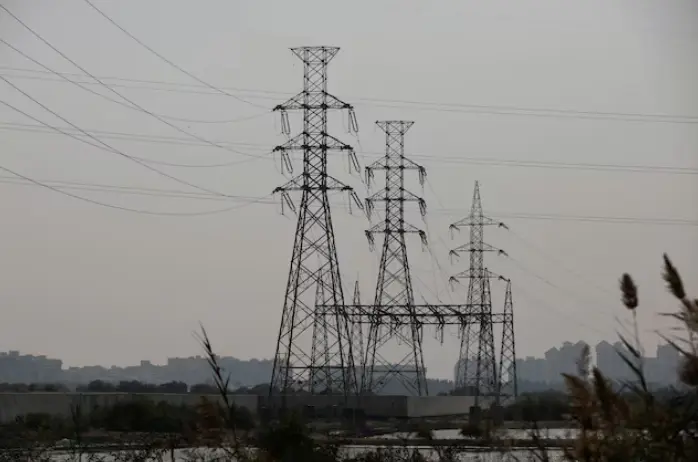
KARACHI Pakistan has greenlit an ambitious and financially perilous 2025-2035 roadmap for its power sector, requiring a staggering 58 billion dollars in fresh capital investments for electricity generation and transmission infrastructure. According to a recent reports, the National Electric Power Regulatory Authority conditionally approved this Integrated System Plan, which projects peak electricity demand to climb from 26,950 megawatts in 2025 to 35,521 megawatts by 2035, necessitating an additional 26,045 megawatts of generation capacity. However, this regulatory sign-off was marred by intense internal friction. All three members of the regulatory board, including the Chairman, registered sharp dissenting or advisory observations within the official forty-five-page document, questioning the fundamental economic logic of the expansion. The core dilemma confronting Islamabad is not physical energy scarcity, but financial over-commitment. Pakistan’s power sector has stagnated for years under crippling capacity payments, sluggish industrial demand, and exorbitant tariffs. These soaring costs have inadvertently driven consumers away from the national grid. Regulatory assessments highlighted deep contradictions regarding how the multi-billion-dollar infrastructure expansion will impact consumer electricity pricing, raising fears that everyday citizens will be forced to shoulder astronomical fixed fees for idle power plants. Compounding this crisis is a massive, decentralized shift toward renewable energy. Frustrated by unreliable supply and punishing electricity bills, households, agricultural operators, and commercial enterprises have aggressively embraced rooftop solar installations. While official net-metering figures lag behind reality, government estimates indicate that on-grid and off-grid solar capacity has surged between 20,000 and 22,000 megawatts, with independent studies suggesting actual decentralized capacity could exceed 33 gigawatts. As millions of consumers increasingly generate their own independent power, traditional demand forecasting models have become obsolete. By pressing ahead with a conventional multi-billion-dollar infrastructure roadmap that ignores this structural energy transition, Pakistan risks sinking deeper into debt, locking its economy into paying for unneeded electricity while its national grid becomes increasingly obsolete.