UPI fees won't hurt growth, says RBI
RBI Governor Sanjay Malhotra dismissed concerns over upcoming UPI merchant fees, assuring that a minor 0.4% charge on select transactions above ₹2,000 will not stunt digital growth.
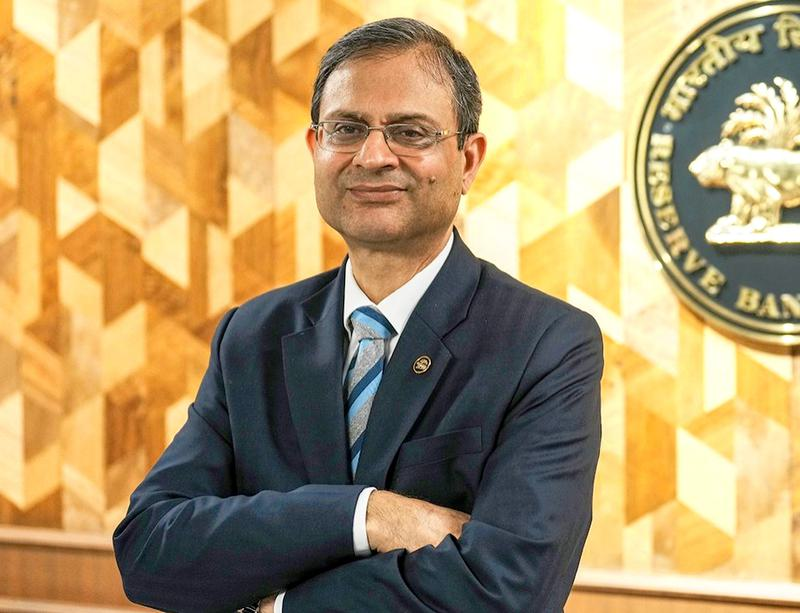
MUMBAI India's central bank chief has sought to calm public apprehension regarding upcoming merchant fees on digital payments, asserting that minor transaction charges will not derail the phenomenal growth of the country's unified payment network. Speaking at a press conference following the Reserve Bank of India's monetary policy announcement on Wednesday, RBI Governor Sanjay Malhotra addressed questions surrounding the impending fee structure. He emphasized that the central bank does not anticipate any drop in transaction volumes, stating his belief that a small fee will have zero negative impact on overall usage trends. The governor's remarks arrive just ahead of the new payment framework's scheduled rollout on October 15, 2026. Under the updated guidelines, a modest Merchant Discount Rate of 0.4 percent will apply specifically to select person-to-merchant transactions exceeding 2,000 rupees. Financial authorities have repeatedly stressed that everyday person-to-person transfers will remain entirely free of charge, regardless of the money transferred. Furthermore, transactions directed toward merchants up to 2,000 rupees, along with small businesses protected under zero-MDR rules, will continue without any fees. Officials estimate that roughly 96 percent of all merchant transactions will remain completely untouched by the update. For larger purchases, specific caps have been established, such as a maximum ceiling of 300 rupees for payments exceeding 75,000 rupees. Additionally, essential sectors operating on razor-thin margins—including fuel, public railways, telecommunications, and agricultural supplies—will face a predictable flat fee of 5 rupees for transactions over the 2,000 rupee threshold. The Ministry of Finance noted that the collected charges are neither taxes nor government revenues, but rather operational funds distributed among participating banks and payment app providers to sustain infrastructure expansion.