Safety drive at ports after toxic fish gases kill 5 fishermen
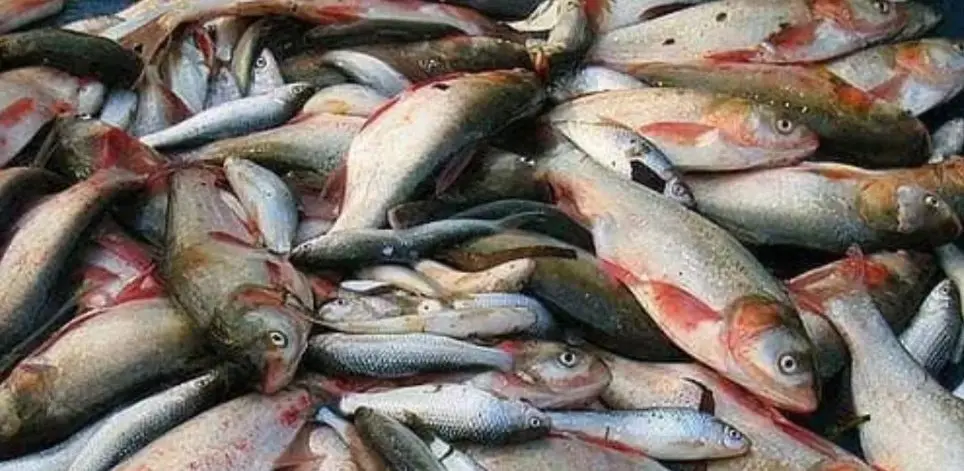
KARWAR: The Uttara Kannada district administration has intensified safety measures at fishing ports following the deaths of five fishermen who inhaled toxic gases released by decomposing ‘Chaman’ fish.
Special awareness programmes have been organised at major fishing harbours, and strict safety guidelines have been issued to prevent further tragedies.
Officials from the Fisheries Department, Police Department and Coast Guard have conducted awareness meetings at Karwar, Baithkol, Kumta and Honnavar ports. Boat owners, fishermen and workers involved in handling fish have been instructed to follow the prescribed safety precautions.
The five deaths occurred in two separate incidents. Three fishermen died at Tadadi fishing port near Gokarna on Oct 27, while two others lost their lives at Muduga in Karwar on Oct 31. They reportedly inhaled toxic gases while removing fish from storage compartments on fishing boats.
According to officials, decomposing Chaman fish can release dangerous gases, including ammonia and hydrogen sulphide. When these gases accumulate inside enclosed storage tanks, they can reduce oxygen levels and cause suffocation, potentially resulting in death.
Under the new safety instructions, fishermen have been advised to ensure that Chaman fish are properly refrigerated immediately after being caught and transported to ports without delay. Decomposed fish and fish waste should not be stored inside boats.
Officials have specifically warned fishermen against entering fish storage tanks without proper safety arrangements. Gas detectors must be used to check for the presence of toxic gases before anyone enters an enclosed compartment. Adequate ventilation must also be ensured.
The administration has cautioned that the absence of a foul smell does not mean that a storage tank is safe. Fishermen must use appropriate respiratory protective equipment and follow prescribed safety procedures before entering such spaces.
The district administration has urged boat owners and fishing workers to strictly comply with the guidelines, stressing that negligence in handling decomposing fish and entering enclosed storage areas could prove fatal. The intensified safety drive aims to prevent further loss of lives in the fishing community.