S. Korea-US alliance intact despite conflicting interests’
The controversy erupted after his remarks regarding a suspected North Korean uranium enrichment facility in Kusong and related issues.
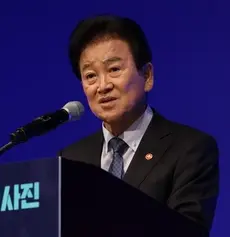
Seoul South Korea's Unification Minister Chung Dong-young on Monday dismissed concerns that the country's alliance with the United States was weakening, saying the two nations continued to share common values despite differences in their national interests. Chung said an alliance did not require both countries to agree on every issue. He stressed that South Korea, like other US allies, had the right to protect its national interests and maintain its autonomy. The minister's remarks came amid opposition criticism over US restrictions on intelligence-sharing with South Korea. The controversy followed his comments about a suspected North Korean uranium enrichment facility in Kusong and other related issues. Chung described the summit between South Korean President Lee Jae Myung and US President Donald Trump in New York last month as a milestone in advancing South Korea's national interests. He also rejected allegations that his remarks about the Kusong facility had damaged relations with Washington. Chung said the comments were made in July last year, when he was a lawmaker attending his confirmation hearing, rather than while serving as a government minister. He added that he had explained the circumstances to US officials and asked South Korea's ambassador to the United States to clarify the matter. Meanwhile, South Korea's National Intelligence Service (NIS) said that the two countries continued to cooperate on a wide range of intelligence matters, including North Korean missile activities and conventional military capabilities. The agency acknowledged restrictions in certain areas but denied reports that the overall volume of intelligence shared by Washington had declined. Chung rejected calls from the main opposition People Power Party and other critics for his dismissal and the removal of NIS Director Lee Jong-seok. He described the demands as politically motivated attacks and urged an end to ideological labelling. The minister maintained that differences between Seoul and Washington did not mean their longstanding alliance was in danger.