KPCC President Hariprasad alleges continued phone tapping
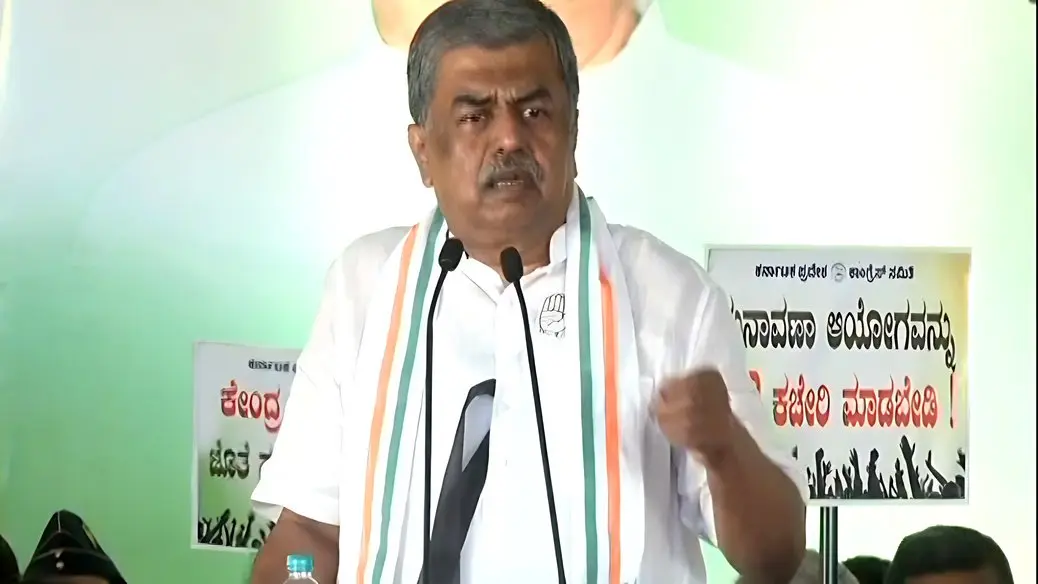
BENGALURU: Escalating political rhetoric across state lines, Karnataka Pradesh Congress Committee (KPCC) President B.K. Hariprasad has strongly defended senior party leader Rahul Gandhi’s explosive public claims accusing Prime Minister Narendra Modi of orchestrating unauthorized mobile surveillance against opposition figures.
Addressing reporters at the KPCC headquarters in Bengaluru, Hariprasad asserted that the deployment of state apparatus for political surveillance is a recurring tactic, recalling historical controversies such as the Gujarat-era “Snoopgate” episode. He argued that the ruling administration relies on covert interception because it lacks the political courage to face democratic accountability.
The political standoff centers on a direct challenge issued by Rahul Gandhi, who has invited the Prime Minister to engage in an unrestricted public debate regarding national security allegations, economic policies, and accusations branding opposition critics as “Urban Naxals.”
Hariprasad remarked that if an open, transparent debate were permitted to take place, it would definitively expose which political actors serve foreign interests, adding sarcastically that such a public discourse would mark the conclusion of the Prime Minister’s political career. “If this leader truly possesses courage, let him come forward for an open debate. Congress party leaders cannot be intimidated through surveillance,” Hariprasad stated.
Drawing parallels to past political accountability, Hariprasad noted that electronic surveillance in public life is not unprecedented, citing historical instances in Karnataka where former Chief Minister Ramakrishna Hegde resigned following phone-tapping allegations. Revealing personal exposure to state monitoring, Hariprasad claimed that his own telecommunications had similarly been intercepted during earlier political tenures, emphasizing that absolute transparency remains paramount in a functioning democracy.
Local party units have signaled intentions to sustain public discourse around civil liberties and digital privacy, positioning the surveillance allegations as a central point of political contention leading into upcoming legislative and organizational sessions.