Kalaburagi Toor Dal Earns Global Recognition; PM Modi Highlights It in ‘Mann Ki Baat’
GI-tagged pulse from Kalyana Karnataka showcases the potential of local products in international markets
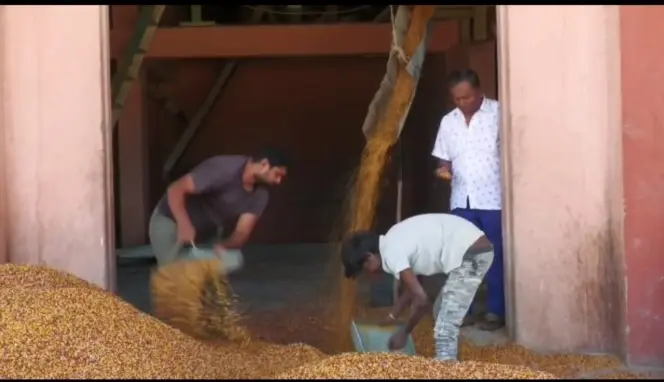
CH NEWS KALABURAGI The famed toor dal of Kalaburagi, widely known as the ‘ThogariKhanaja’ (treasure trove of toor dal), has gained international recognition, with its growing presence in overseas markets receiving a special mention by Prime Minister Narendra Modi in his monthly radio programme, Mann Ki Baat. Highlighting the success of local products reaching global markets, Modi cited Kalaburagi'stoor dal as an example of how region-specific agricultural products can gain wider recognition through quality and promotion.Kalaburagi district, located in the Kalyana Karnataka region, is renowned for its toor dal production. The region's distinctive agricultural produce has received the Geographical Indication (GI) tag, recognising its identity and association with the area. According to available nutritional data, Kalaburagitoor dal contains approximately 18–23 per cent protein. The nutritional composition of 100 grams of the dal grown in the region has been reported as 22.30 grams of protein, 1.70 grams of fat, 3.50 grams of minerals, 57.60 grams of carbohydrates, 335 kilocalories of energy and 73 milligrams of calcium. The region's soil characteristics, including the presence of limestone, are considered among the factors associated with the distinctive qualities of its agricultural produce. Toor dal is also an important source of dietary protein and other nutrients.Apart from Kalaburagi, toor dal is cultivated extensively in Bidar, Yadgir, Vijayapura and other districts of Karnataka. The crop plays a significant role in the livelihoods of farmers and contributes to meeting the country's demand for pulses.The Prime Minister's mention has brought renewed attention to the region's agricultural potential and the prospects of expanding markets for its produce. Meanwhile, dal mill traders in Kalaburagi have called on the Union Government to take measures to protect domestic pulse growers from the impact of foreign imports. They have urged the Centre to regulate pulse imports appropriately and encourage farmers to cultivate quality pulses, ensuring better market opportunities for domestic produce. QUOTE Traders believe that stronger policy support, improved market access and sustained promotion of GI-tagged agricultural products could help farmers and processors benefit from the growing demand for Indian pulses in domestic and international markets.