France faces 2027 Budget battle amid political deadlock
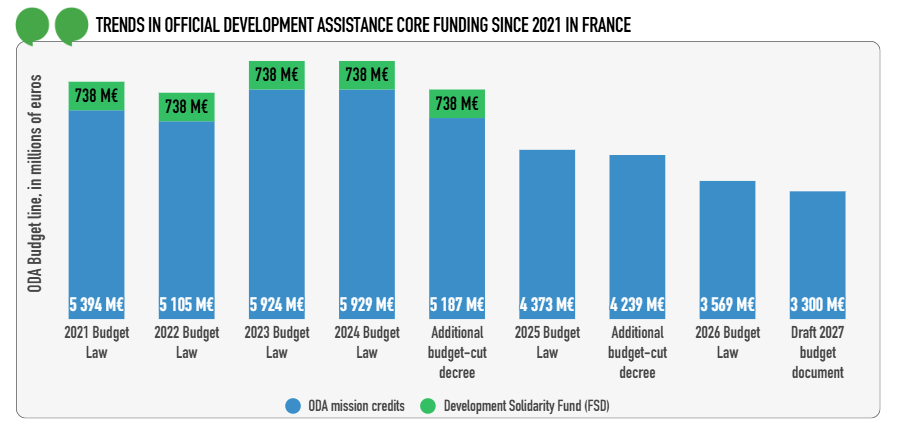
PARIS The minority government led by French Prime Minister Sébastien Lecornu is bracing for an intensely volatile and politically treacherous fiscal season as opposition parties harden their stance against aggressive deficit-reduction targets. With the critical April–May 2027 presidential election looming on the horizon, the upcoming parliamentary battle over state finances threatens not only the survival of the current cabinet but also the broader economic stability of the eurozone’s second-largest economy. At the heart of the standoff is the government’s ambitious fiscal consolidation plan, which aims to carve out a staggering 54 billion euros (approximately $60.92 billion) in budget savings to rein in mounting public deficits. However, navigating these sweeping expenditure cuts and revenue adjustments through a deeply fractured, hung parliament—born out of the 2024 snap legislative elections—presents an unprecedented constitutional and political hurdle. Under standard French constitutional law, once the government formally submits its budget bill to parliament, lawmakers are granted a 70-day window to debate, scrutinize, and amend the legislation. The process begins in the National Assembly (the lower house), moves to the Senate, and ultimately returns to the lower chamber for a final adoption vote. However, political analysts view a smooth passage through standard parliamentary channels as highly improbable. Opposition parties across both the radical left and nationalist right have signaled fierce resistance to the proposed austerity measures, setting the stage for gridlock. If lawmakers reject the core components of the fiscal package, Lecornu’s administration will be forced to deploy extraordinary constitutional mechanisms or risk total paralysis. Given the absence of a working absolute majority in the National Assembly, successive minority governments have repeatedly leaned on Article 49.3 of the French Constitution. This controversial instrument allows the executive branch to bypass a parliamentary vote and force a bill through the lower house. Yet, invoking Article 49.3 carries immense political hazards. Opposition parties can immediately retaliate by tabling a motion of no-confidence. To survive such a challenge, the government typically must negotiate concessions with moderate factions, such as the Socialists, centrists, or traditional conservatives. With political parties already heavily positioning themselves for the high-stakes 2027 presidential and legislative campaigns, political analysts note that the appetite for bipartisan compromise has reached historic lows. Should a no-confidence motion succeed, Lecornu’s cabinet would fall, the budget bill would collapse, and a new government would be thrust back to the drawing board under severe time constraints.