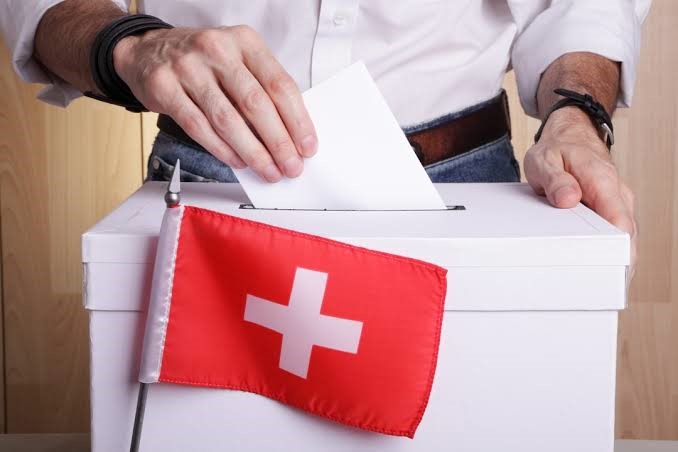
ZURICH Swiss voters have decisively rejected a high-profile constitutional initiative aimed at drastically tightening the nation's traditional neutrality rules, according to comprehensive early projections released by government statisticians. The proposal, which sought to enshrine an uncompromising definition of permanent neutrality into the Swiss constitution, was soundly defeated at the ballot box, with more than two-thirds of participating citizens voting against the measure. The decisive outcome preserves Switzerland's current diplomatic flexibility, allowing the Confederation to continue participating in targeted economic sanctions and collaborative security frameworks with international partners like NATO. The rejected initiative was spearheaded by right-wing and isolationist political factions who argued that Switzerland’s longstanding diplomatic stance had been compromised in recent years. Proponents sought to legally bar the Swiss government from implementing non-military economic sanctions—such as those aligned with European Union punitive measures against foreign aggressors—and to prohibit any form of operational military cooperation or intelligence-sharing exercises with Western defense alliances, including NATO. Sponsors of the initiative argued that creeping alignment with Western geopolitical blocs risked dragging neutral Switzerland into foreign conflicts and eroding the country's historic role as an impartial global mediator. They contended that strict isolation from economic sanctions and military pacts was the only reliable mechanism to guarantee absolute immunity in times of international crisis. The Swiss Federal Council, parliament, and major political parties campaigned fiercely against the initiative, warning that such a rigid reinterpretation of neutrality would severely damage Switzerland's standing in the international community and isolate its export-driven economy. Government leaders emphasized that Switzerland’s neutrality has never meant complete political or moral indifference to violations of international law. By aligning with EU sanctions following geopolitical crises in Europe, Bern successfully demonstrated that humanitarian principles and economic measures could be enforced without abandoning core defensive security. Furthermore, defense ministers pointed out that limited, practical cooperation with NATO and European partners is essential for modern defense readiness, particularly in airspace monitoring, cybersecurity, and joint training exercises conducted by the Swiss Army.
Swiss voters reject strict neutrality initiative